
Basecamp
Sankri
Duration
8 Days
Max. Altitude
12,500 ft.
Distance
53 Kms
Grade
Moderate
Pickup/Drop
Dehradun
Borasu Pass Trek Overview
The Borasu Pass Trek is one of the most thrilling and lesser-explored high-altitude expeditions in the Indian Himalayas. Standing at an impressive altitude of 5,450 meters (17,880 ft), Borasu Pass forms a natural link between Har Ki Dun Valley in Uttarakhand and Baspa Valley in Himachal Pradesh. This crossover trek offers a rare opportunity to witness two distinct cultures, landscapes, and traditions in a single journey.
Known for its dramatic scenery, the trail takes you through dense pine forests, ancient villages, alpine meadows, high-altitude glaciers, and moraine ridges before opening into the pristine valleys of Himachal. The trek passes through picturesque hamlets like Seema, Osla, and Chitkul (the last inhabited village on the Indo-Tibetan border), offering a glimpse into the rich heritage of Garhwali and Kinnauri people.
Unlike regular treks, Borasu Pass is graded as difficult to strenuous due to its challenging terrain, steep ascents, crevassed snowfields, and long walking days. It is best suited for experienced trekkers who are prepared for adventure and high-altitude challenges. However, the rewards are unmatched—360° views of snow-clad peaks such as Swargarohini, Bandarpoonch, Black Peak, and Kinnaur Kailash make this trek an unforgettable Himalayan experience.
The best time to do the Borasu Pass Trek is May–June and September–October, when the weather is stable, and trails are accessible. For those seeking an offbeat Himalayan expedition filled with thrill, raw beauty, and cultural encounters, the Borasu Pass Trek is a perfect choice.
History and Mythology of Borasu Pass
Ancient Trade Route:
The Borasu Pass has been used as a traditional trade and travel route between the people of Garhwal (Uttarakhand) and Kinnaur (Himachal Pradesh) for centuries. Villagers would cross the pass to exchange goods such as wool, spices, grains and salt.
Cultural Connection:
The pass connected two different cultures – the Garhwali villages of Har Ki Doon Valley and the Kinnauri villages near Chitkul. Even today, traces of shared heritage are visible in the traditions, architecture and festivals of these regions.
Mythological Connection:
The yatra starts from Har Ki Doon Valley, also known as the “Valley of Gods”. According to the Mahabharata, the Pandavas are believed to have used this route to travel to heaven (the Swargarohini peak is located in this valley). Crossing Borasu was considered a sacred route leading to the higher Himalayas.
Trek Story – Paths of History
Imagine yourself passing through ancient wooden villages, where every house tells a story of hundreds of years. The path passes through forests of pine and deodar and opens into the mythical Har Ki Doon valley, where locals still talk about the Pandavas resting on their way to heaven.
As you go higher, the path gets quieter – lush green meadows are replaced by glaciers, rocky moraines and endless snowfields. This was once the same route where traders and shepherds used to carry wool and salt between Garhwal and Kinnaur with mules and yaks.
Crossing the Borasu Pass (17,224 ft) feels like stepping into another world. On one side is the lush green Garhwal valley, and on the other, the unspoiled and rugged beauty of Kinnaur. By the time you land in Chitkul – the last village in India – you have not just embarked on a trek but also a journey through history, myth and culture.
Borasu Pass Trek Short Itinerary
Day 1: Dehradun → Sankri, Taluka (drive ~212 km)
Day 2: Sankri, Taluka → Gangar (drive ~23 km) → Trek to Seema (4 km)
Day 3: Seema, Osla → Har Ki Dun (~12 km)
Day 4: Har Ki Dun → Ratta Dho (~12 km)
Day 5: Ratta Dho → Upper Lamjung (~7 km)
Day 6: Upper Lamjung → Cross Borasu Pass (17,224 ft) → Bonga (~10 km)
Day 7: Bonga → Chitkul (~8 km), drive to Sangla
Day 8: Sangla → Shimla / Return Home
Borasu Pass Trek Detailed Itinerary
- Distance: 210 km
- Time: 8–10 hours
- Altitude Gain: 640 m (Dehradun) → 1,950 m (Sankri)
- Route: Dehradun → Mussoorie → Nainbagh → Damta → Purola → Mori → Netwar → Sankri
The journey kicks off from Dehradun Railway Station early morning. As you exit the city, you ascend towards Mussoorie via Rajpur Road and enjoy glimpses of the Doon Valley. Past Mussoorie, the route passes through Nainbagh, a key junction connecting Yamunotri and Purola.
From Damta to Purola, the air gets cooler and the hills steeper. Here you enter the Jaunsar-Bawar tribal belt, famous for its traditional wood-carved houses. Post Purola, mobile networks vanish, offering an offline escape.
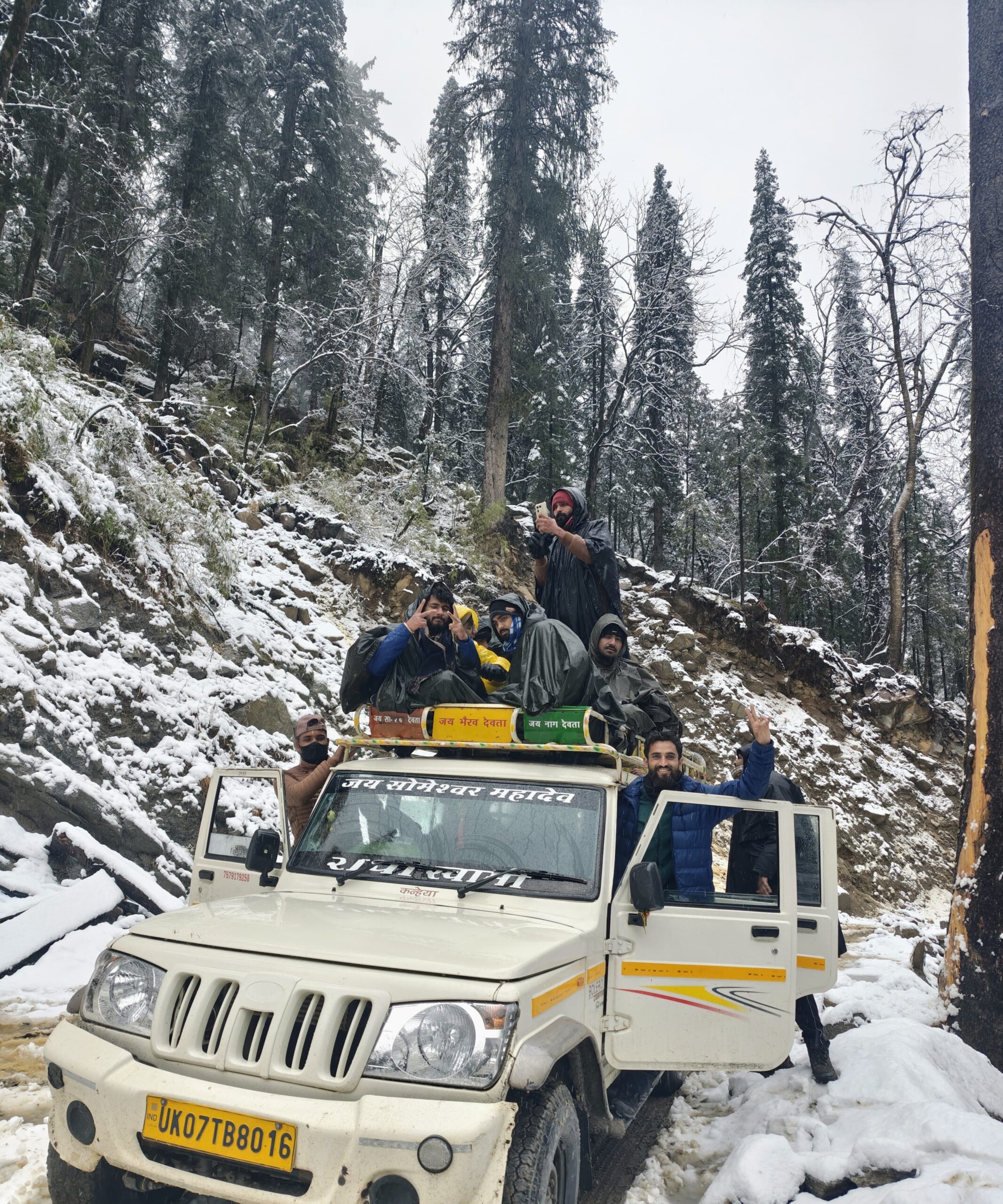
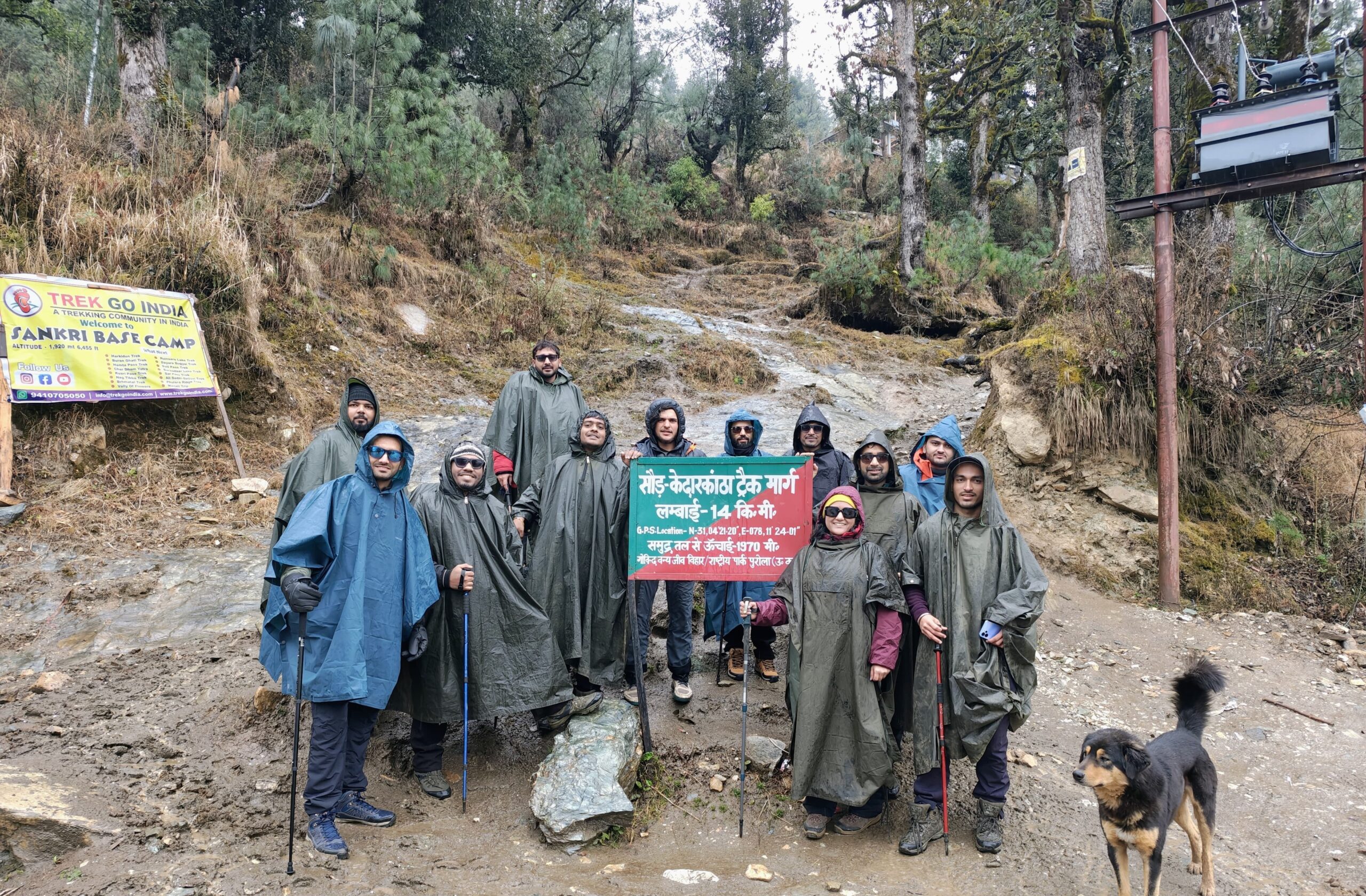
You then descend to the Tons River, crossing Mori, a popular rafting destination. Just ahead lies Netwar, home to the ancient Pokhu Devta temple, and the entry point to the Govind Pashu Vihar National Park. The final climb through pine-clad ridges brings you to Sankri, a picturesque village that serves as the base camp for Borasu pass trek. Wooden houses, local dhabas, and views of snow-peaked mountains set the mood for the trek.
Distance: Drive 23 km + Trek 4 km
Time: 1–1.5 hrs drive + 2–3 hrs trek
Altitude Gain: 1,950 m → 2,560 m
Route: Sankri → Taluka → Gangar (Drive) → Supin River Trail → Seema Camp
A short drive through pine and walnut forests brings you to Gangar village, the starting point of the trek. From here, the trail follows the Supin River, crossing wooden bridges, apple orchards, and small hamlets. The walk is gentle and scenic, offering glimpses of traditional Garhwali homes and Himalayan birdlife.
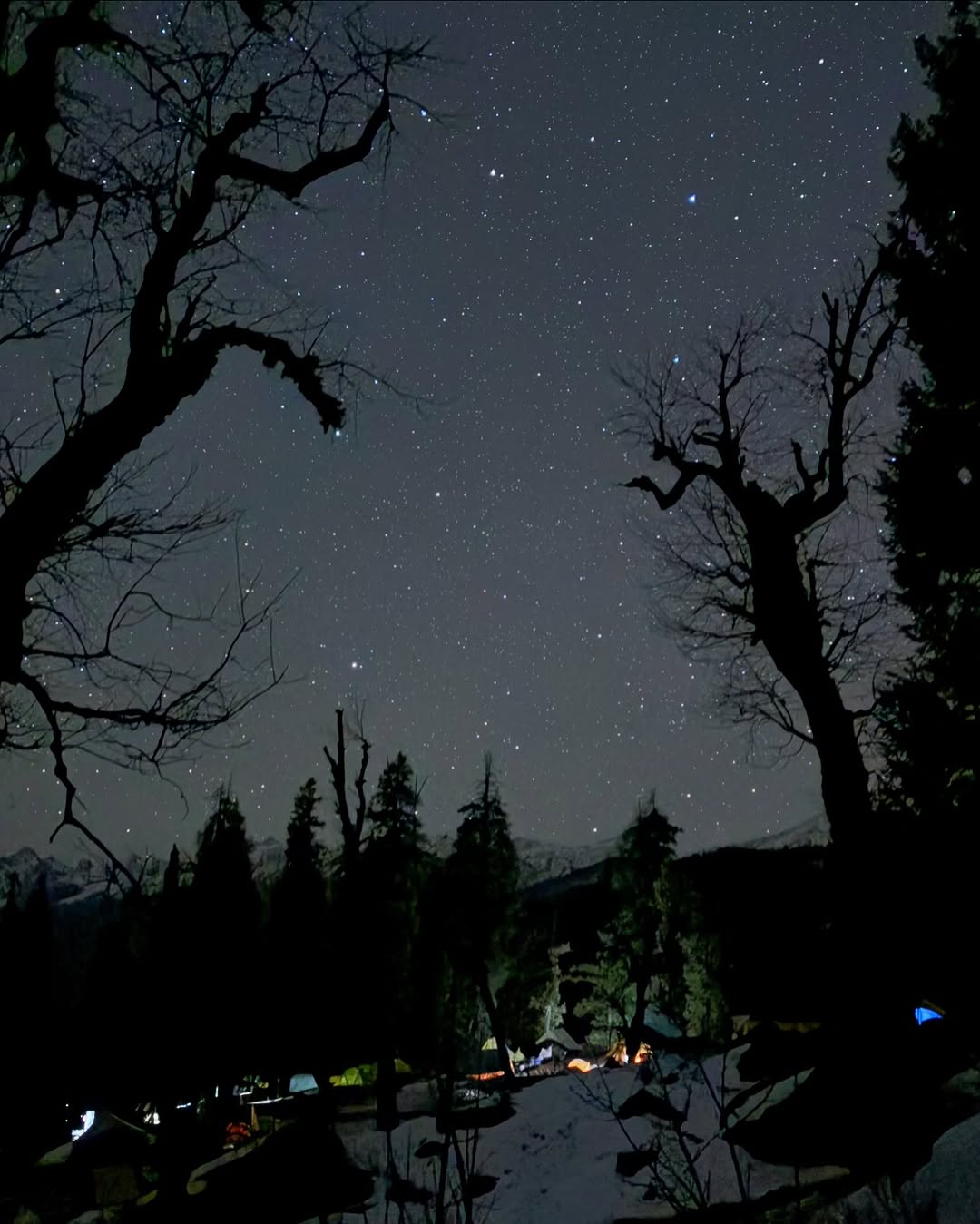
By afternoon, you arrive at Seema Camp, set beside the river and surrounded by maple and pine trees — an ideal first campsite to rest and acclimatize.
Distance: ~12 km trek
Time: 5–6 hrs
Altitude Gain: 2,560 m → 3,510 m
Route: Seema/Osla → Supin River Meadows → Alpine Forest → Har Ki Dun Valley
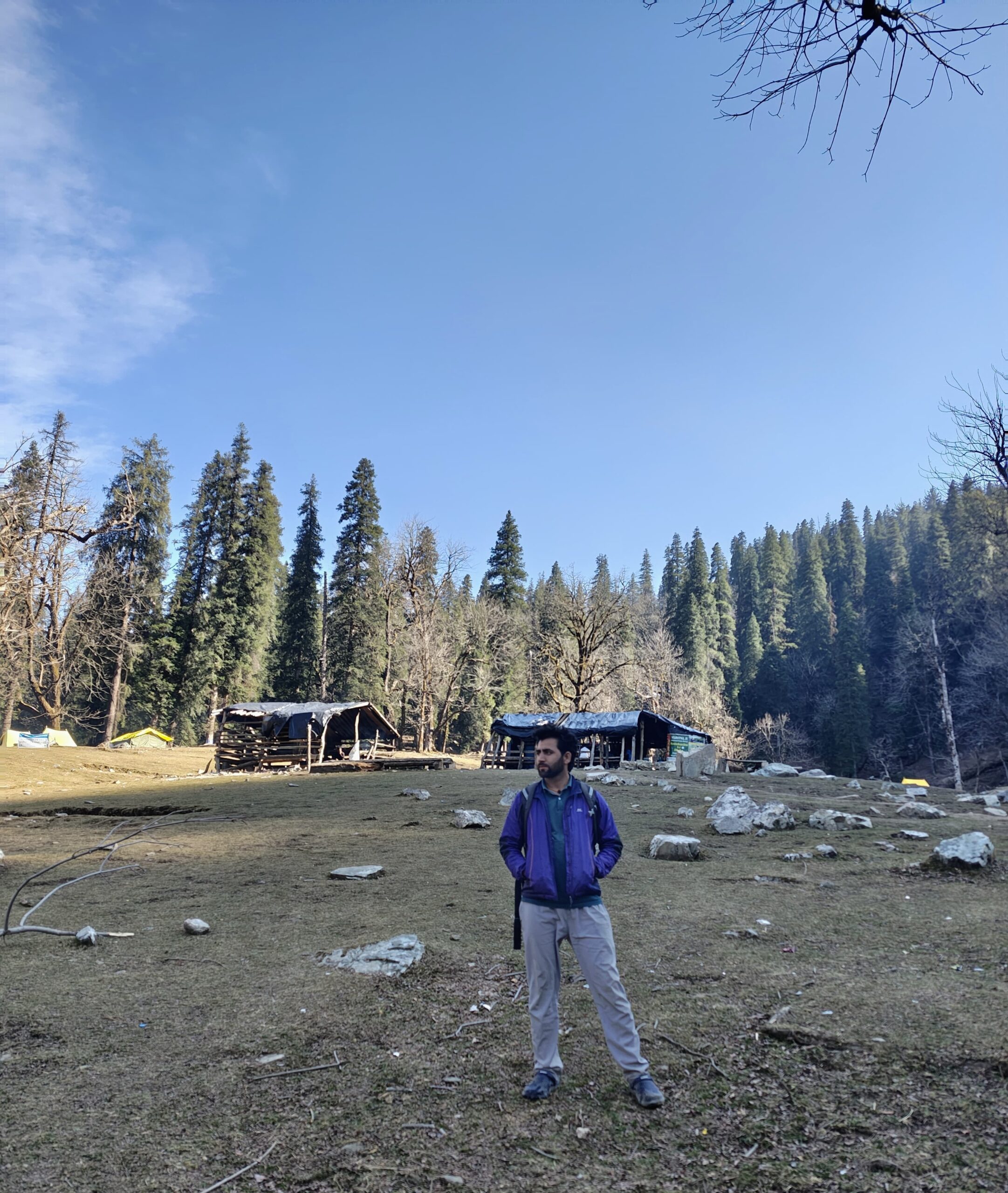
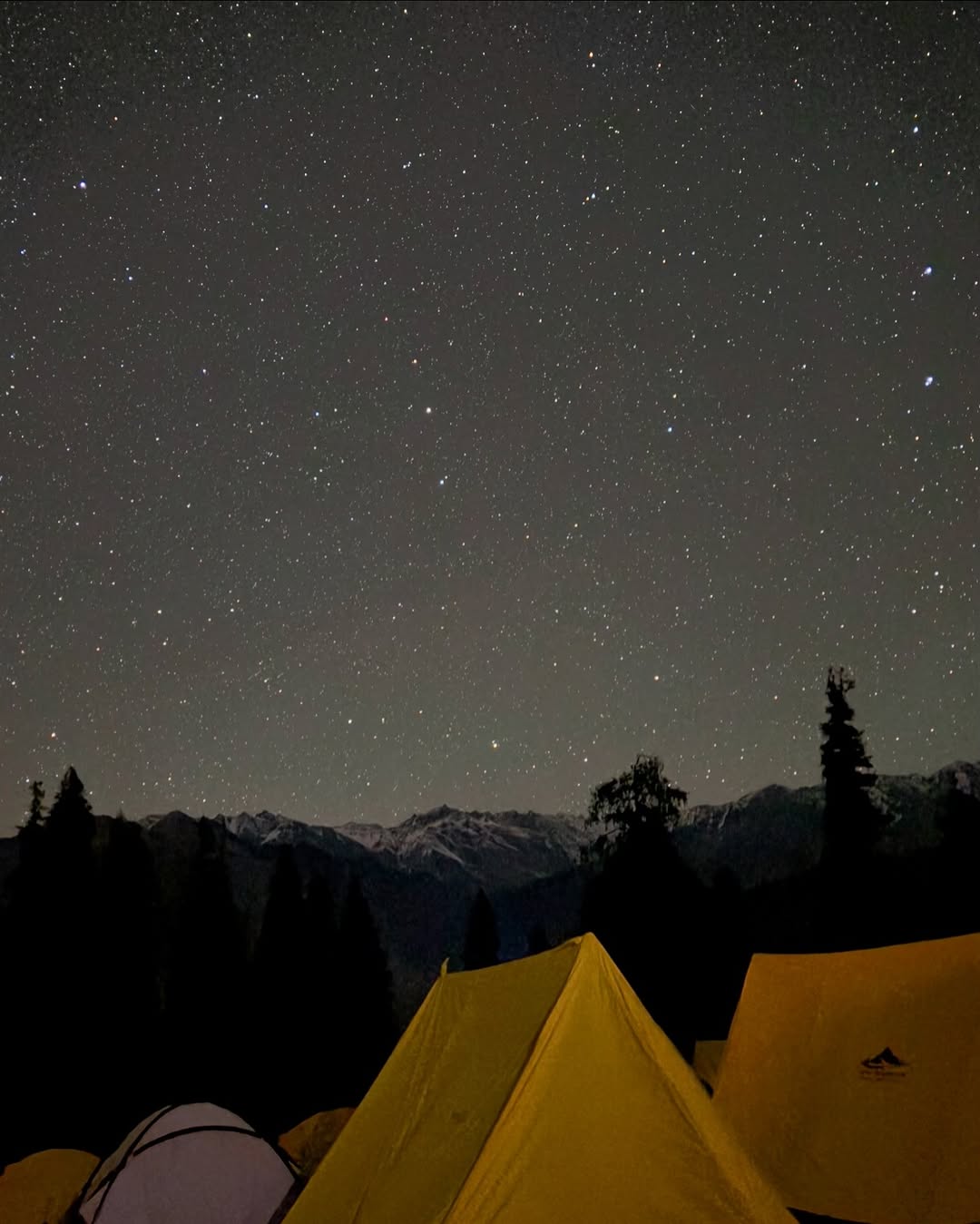
Today’s trek follows the Supin River upstream, passing through dense pine and rhododendron forests with occasional clearings of wildflowers. The trail gradually ascends through lush meadows with breathtaking views of snow peaks like Swargarohini and Black Peak.
As you approach, the valley widens into the stunning Har Ki Dun meadow, surrounded by towering ridges and glaciers. This legendary valley, often called the “Valley of Gods,” is one of the most picturesque campsites in the Himalayas.
Distance: ~12 km trek
Time: 6–7 hrs
Altitude Gain: 3,510 m → 3,900 m
Route: Har Ki Dun → Glacier Streams → Moraines → Ratta Dho Campsite
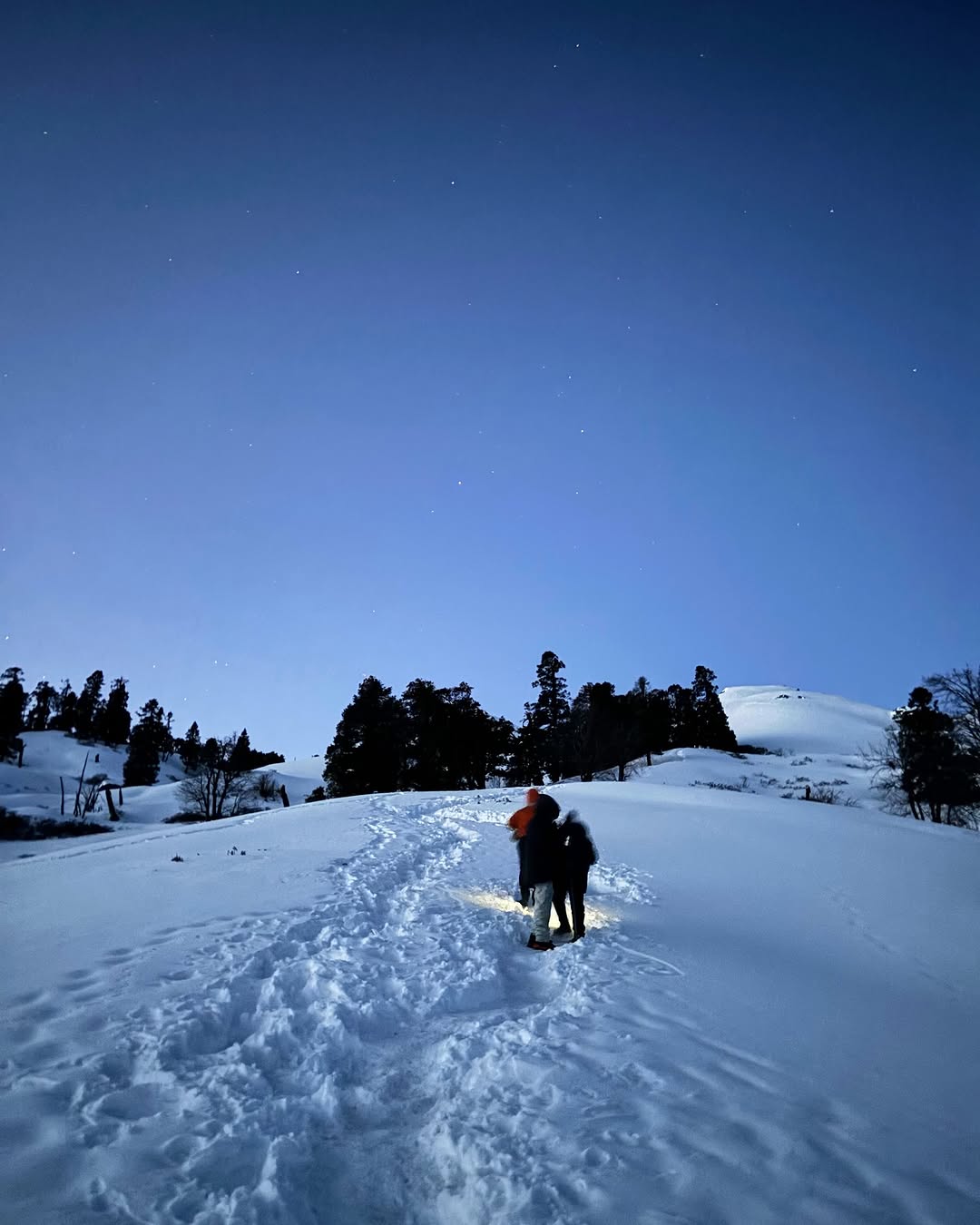
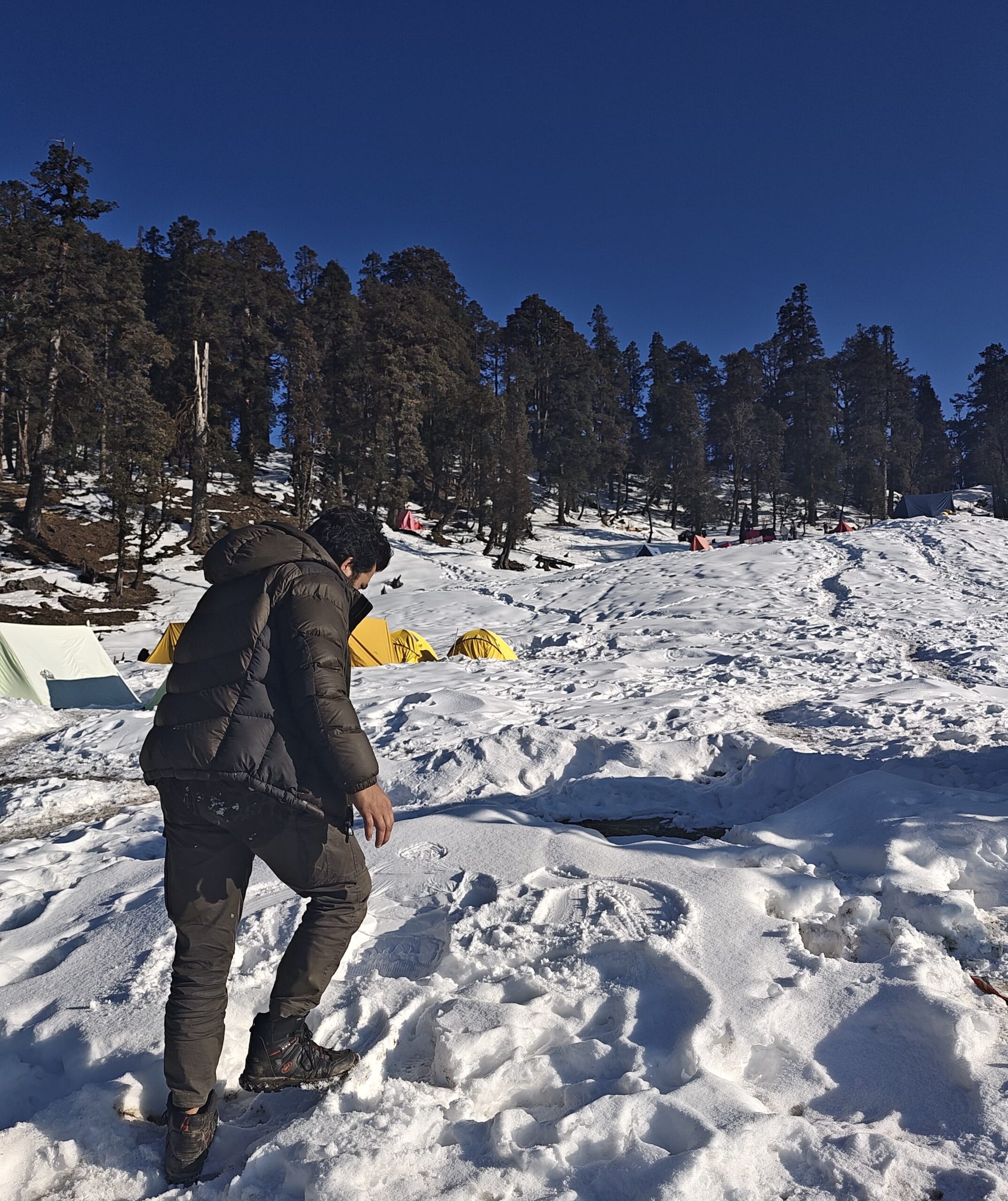
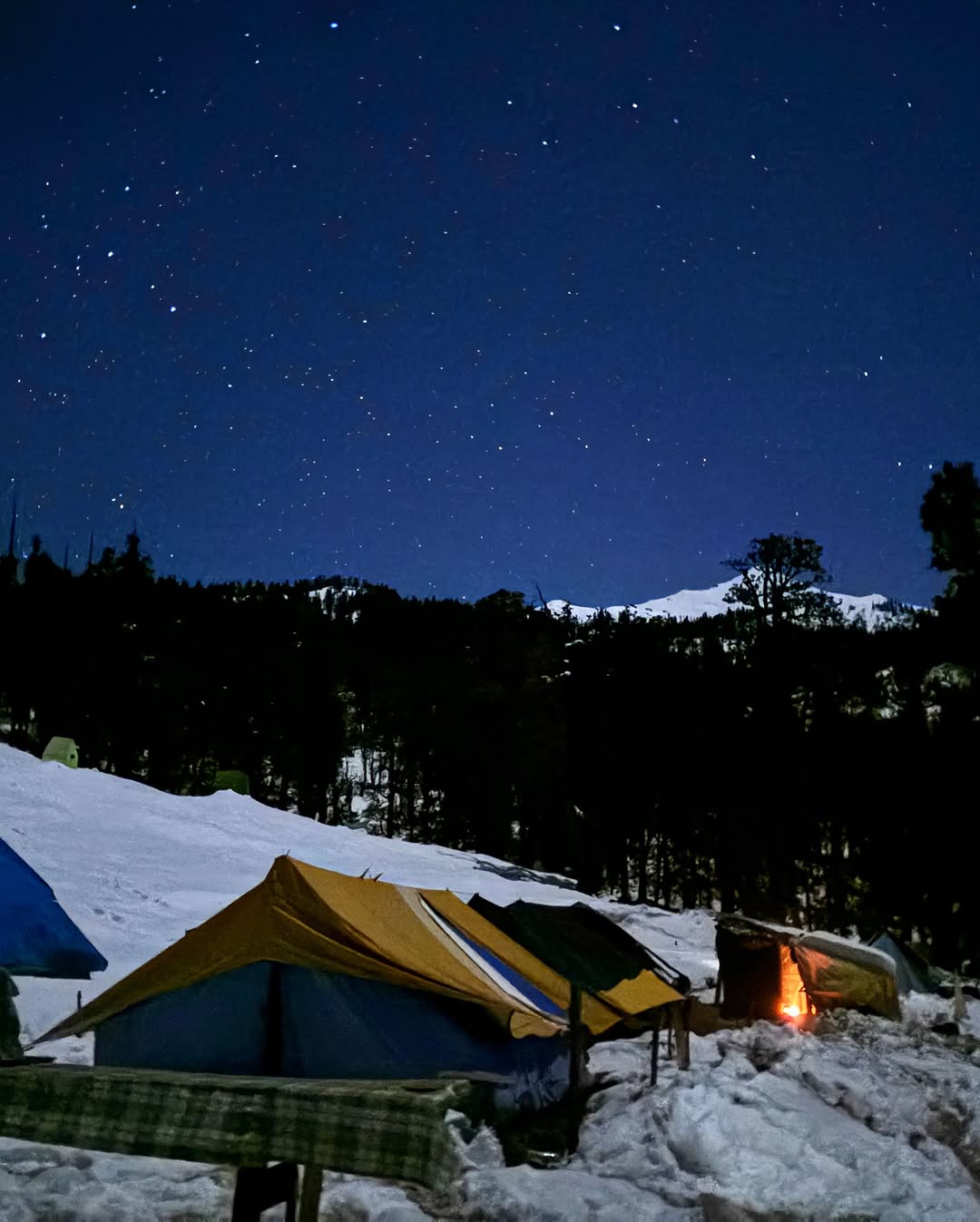
Leaving behind the lush meadows of Har Ki Dun, the trail gradually turns rugged and remote. You trek past glacial streams, boulder sections, and high-altitude moraines, with towering peaks keeping you company throughout.
The landscape shifts from green valleys to a rocky alpine terrain, preparing you for the challenging days ahead. Ratta Dho campsite, perched near glacial ridges, offers dramatic views and a true sense of wilderness.
Distance: ~7 km trek
Time: 5–6 hrs
Altitude Gain: 3,900 m → 4,400 m
Route: Ratta Dho → Steep Ridge Trails → Snow Patches → Upper Lamjung Camp
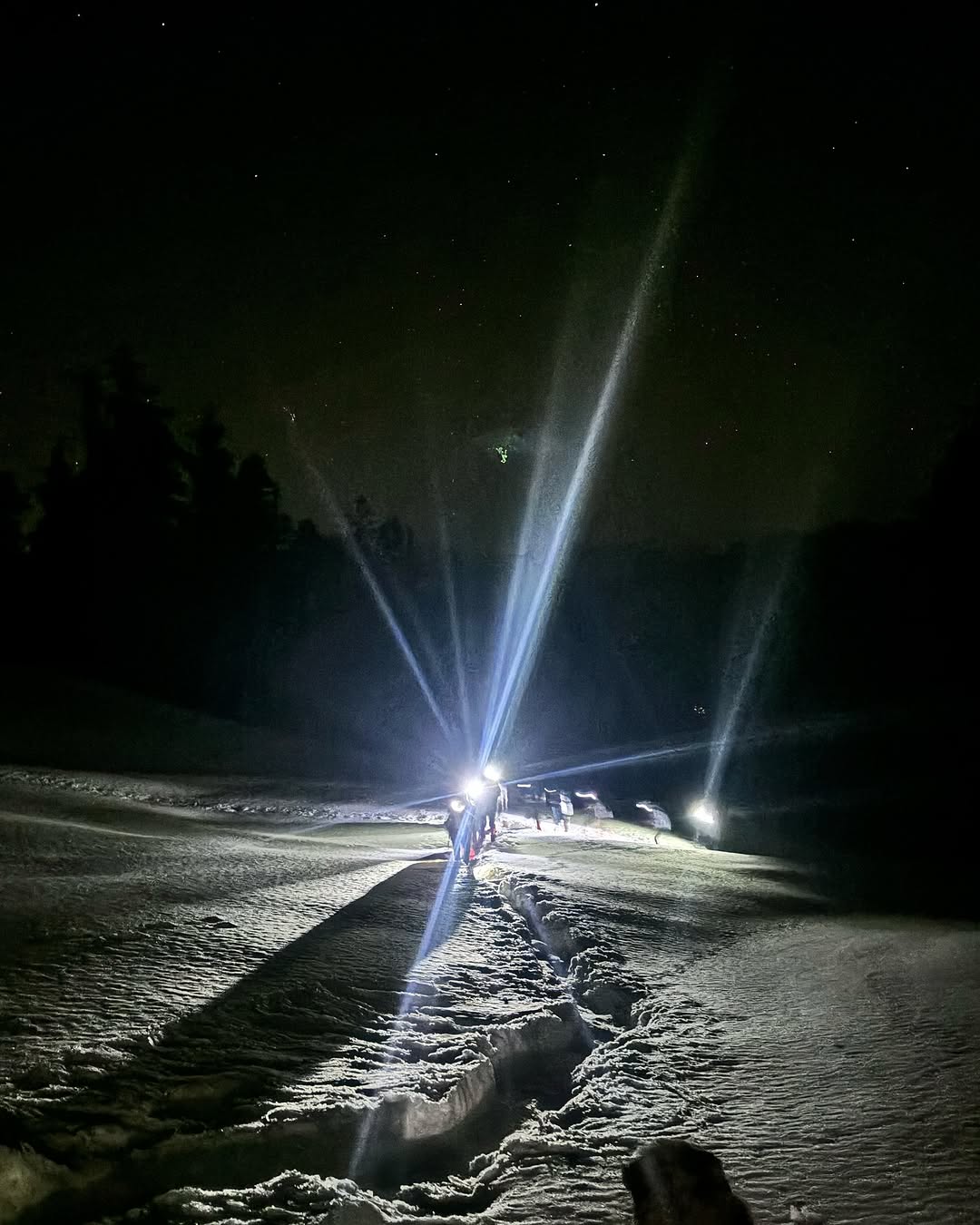
The trail today is steeper and more demanding, with ascents over rocky ridges and occasional snow patches. The landscape grows harsher as you move into high-altitude alpine terrain, with sparse vegetation and wide views of surrounding glaciers.
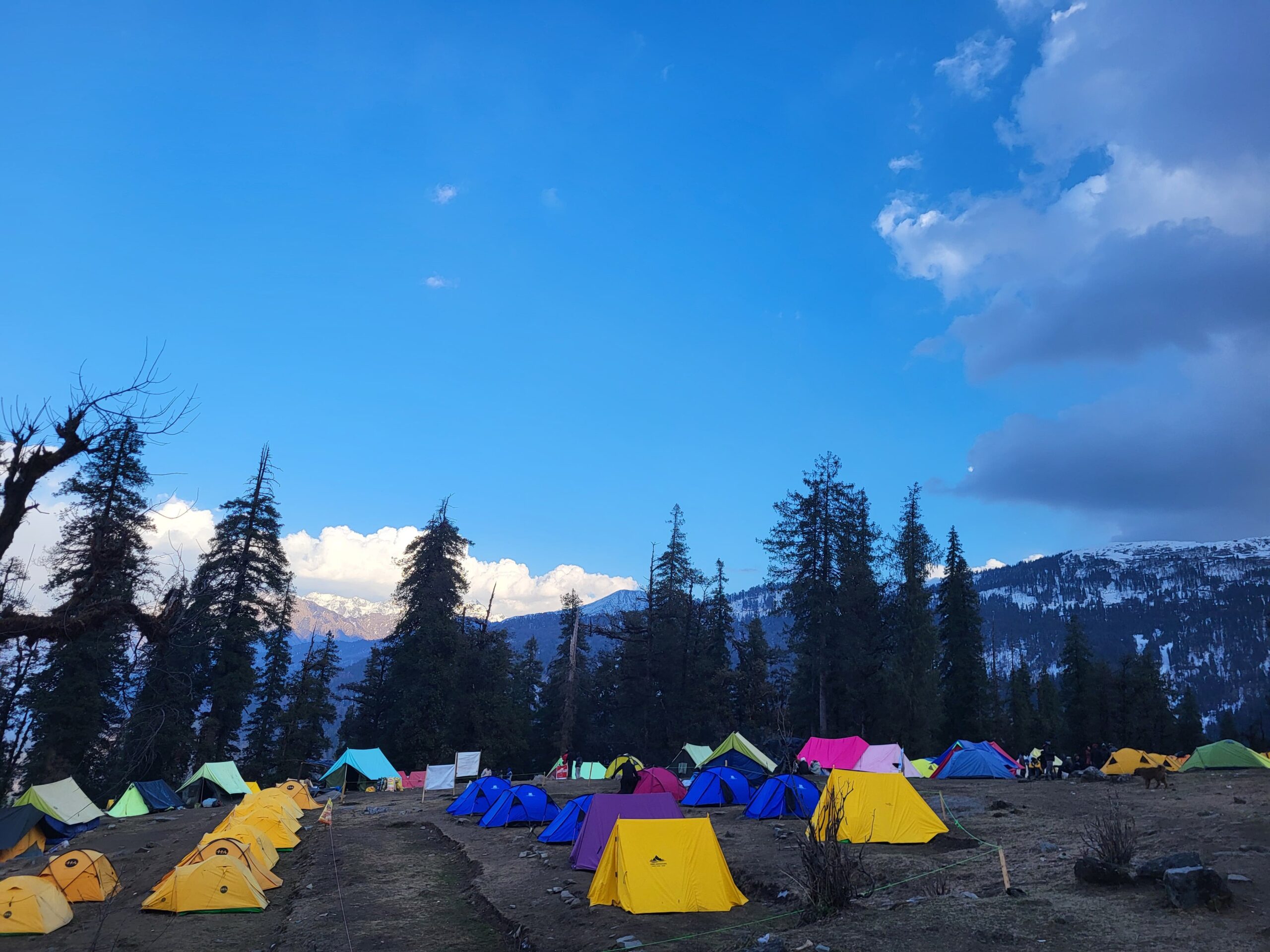
By afternoon, you reach Upper Lamjung campsite, strategically located closer to Borasu Pass. This campsite is often windy but offers magnificent views of Swargarohini and nearby peaks, setting the stage for the big crossing.
Distance: ~10 km trek
Time: 8–9 hrs
Altitude Gain: 4,400 m → 5,450 m → 3,800 m
Route: Upper Lamjung → Steep Ascent → Borasu Glacier → Borasu Pass → Descent to Bonga
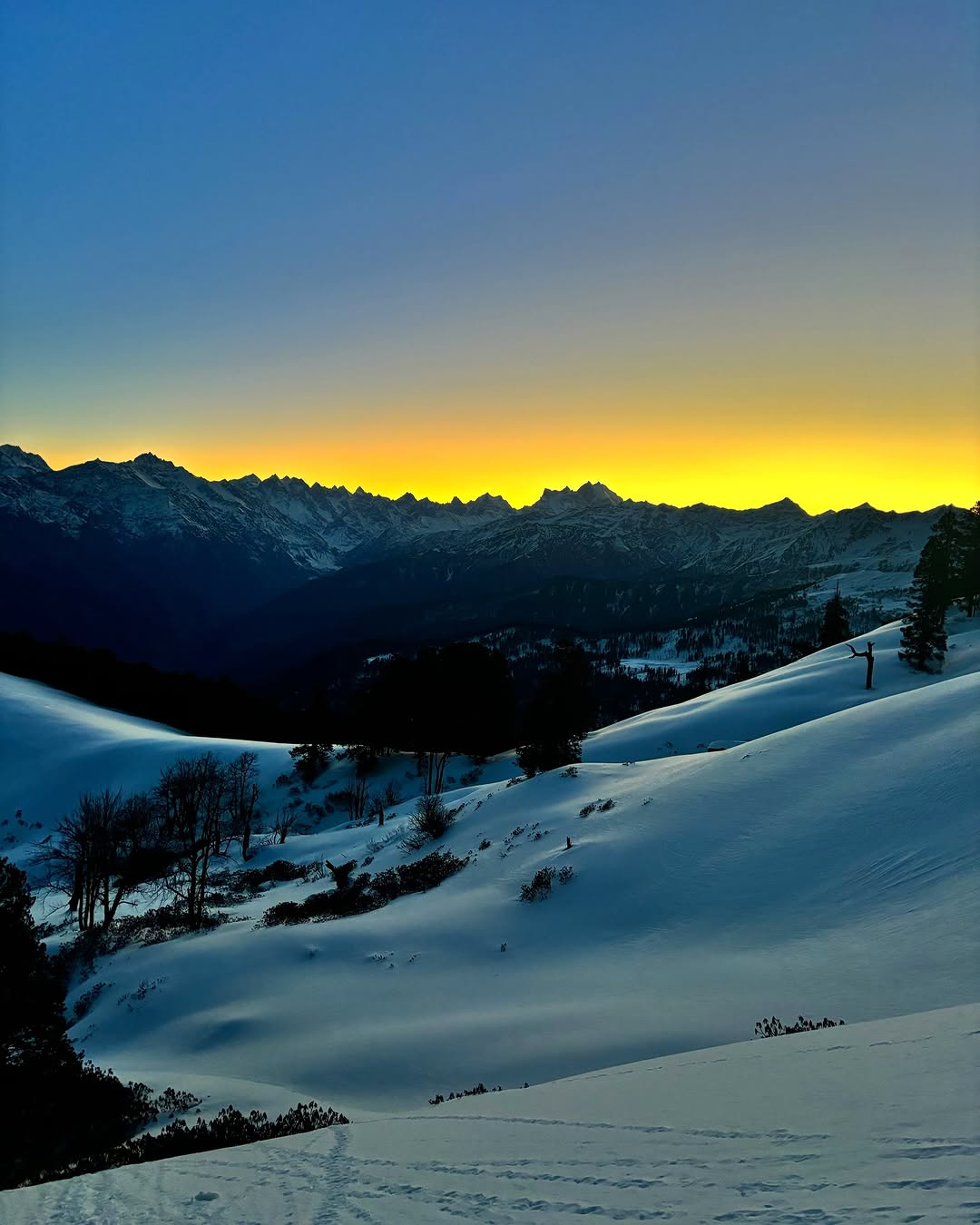
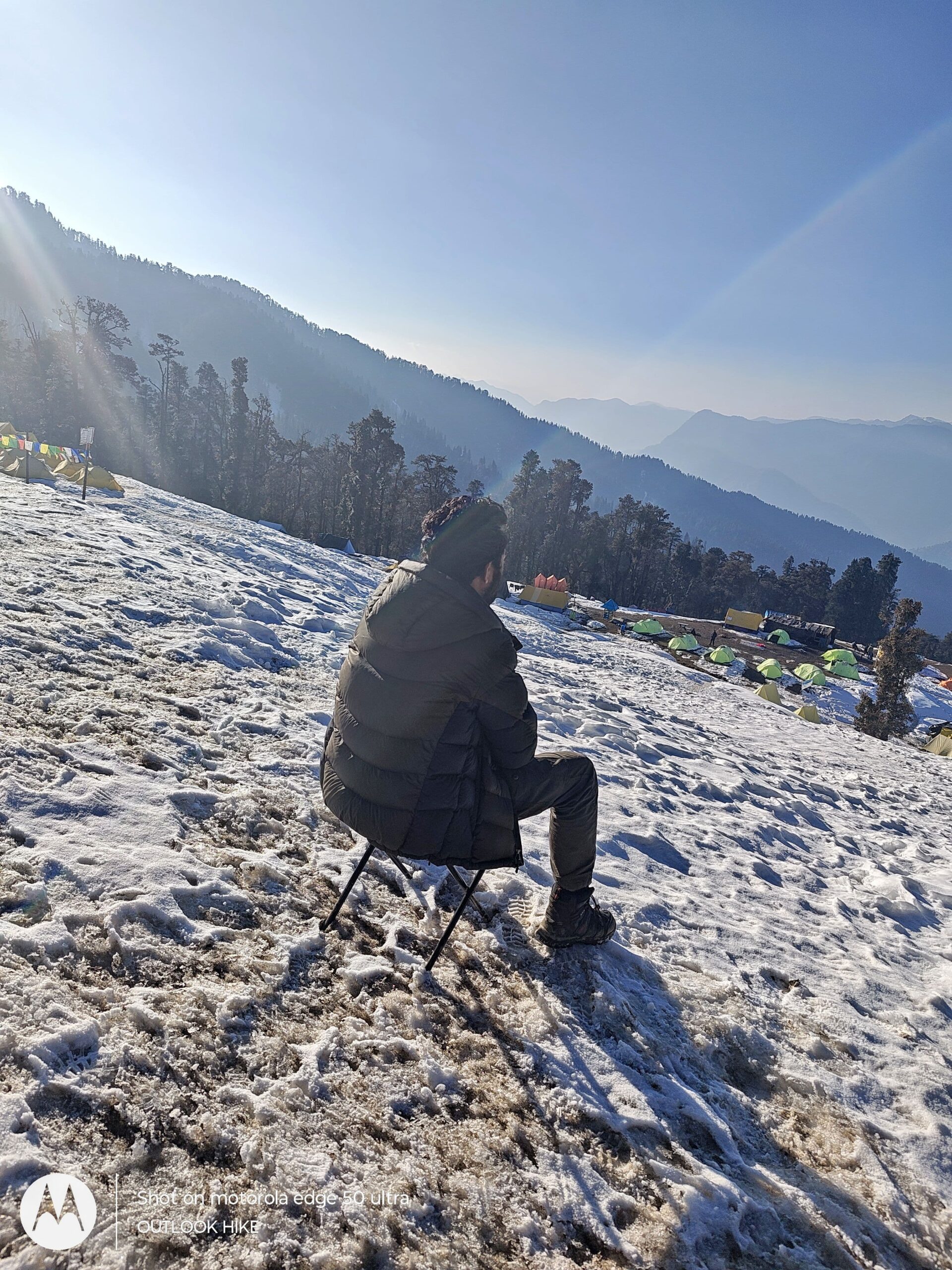
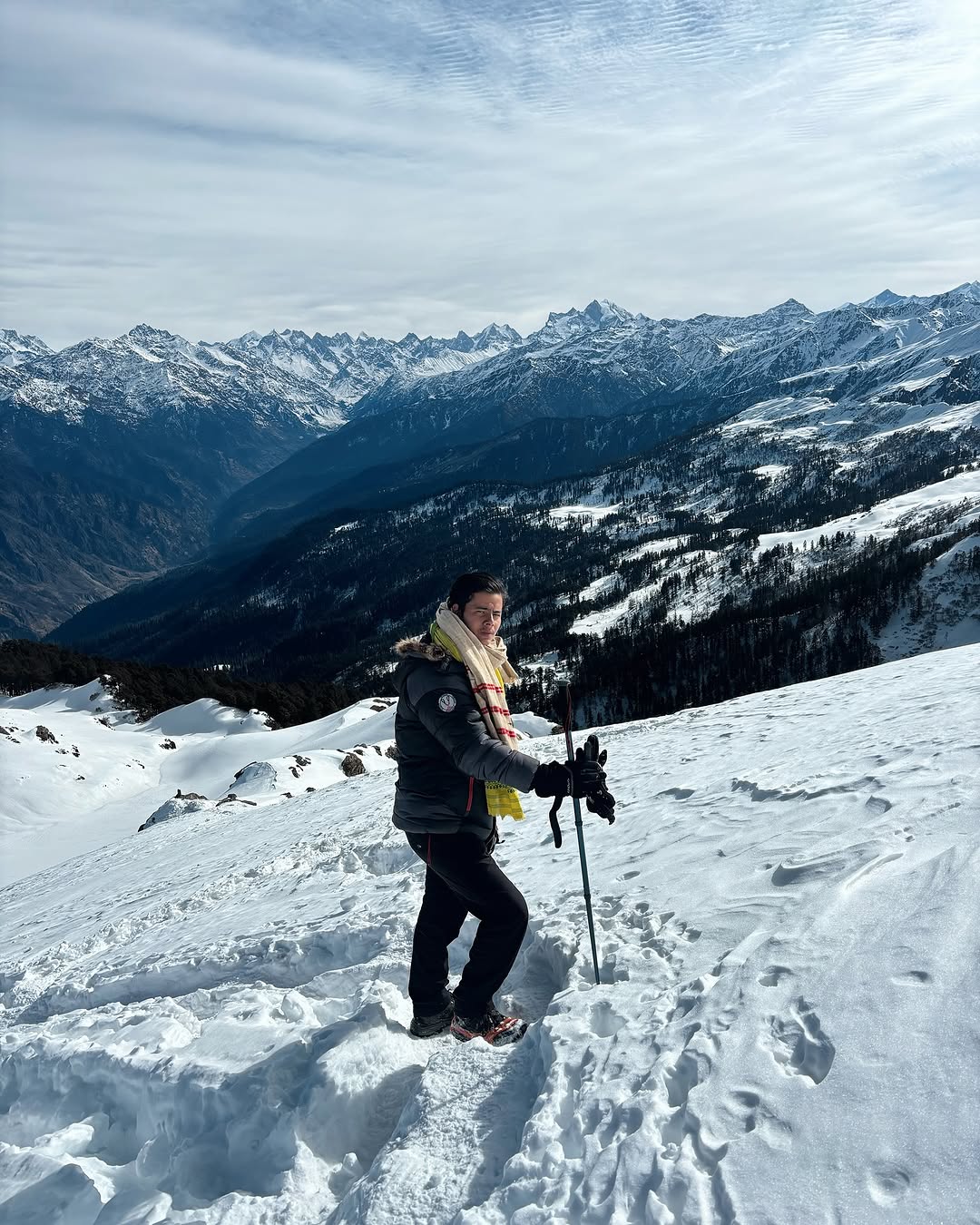
This is the toughest and longest day of the trek. The climb begins before sunrise, with a steep ascent over snowfields, boulders, and glacial ridges. Reaching Borasu Pass (5,450 m) rewards you with breathtaking 360° views of Swargarohini, Black Peak, Bandarpoonch, and Kinnaur Kailash.
The descent into Himachal is steep and challenging, passing through moraine sections and snow slopes before entering greener meadows. By evening, you reach Bonga campsite, surrounded by alpine pastures and streams — a perfect contrast after the harsh high-altitude pass crossing.
Distance: ~8 km trek + short drive
Time: 3–4 hrs trek + 1 hr drive
Altitude Gain: 3,800 m → 3,450 m (Chitkul) → 2,700 m (Sangla)
Route: Bonga → Meadows & Pine Forests → Chitkul Village → Drive to Sangla
The trek from Bonga is a gentle descent through lush meadows, pine forests, and gushing streams, offering a refreshing change after the high-altitude terrain. Soon, you reach Chitkul, the last inhabited village near the Indo-Tibetan border, known for its wood-carved houses, apple orchards, and traditional Kinnauri culture.
After exploring the village, a short drive takes you to Sangla in Baspa Valley, where better facilities, cozy stays, and warm Himachali hospitality await.
Distance: ~230 km drive
Time: 8–9 hrs
Altitude Change: 2,700 m (Sangla) → 2,200 m (Shimla)
Route: Sangla → Karcham → Rampur → Shimla / onward journey home
The final day is a scenic drive along the Baspa and Sutlej rivers, passing apple orchards, terraced fields, and charming Himachali towns. As you descend into lower valleys, the air grows warmer and landscapes greener.
By evening, you reach Shimla, where the trek concludes. From here, you can either rest overnight or continue your onward journey home, carrying memories of the epic Borasu Pass adventure.
Borasu Pass Trek Package Cost Includes
Transportation
Dehradun To Sankri And Return In Shared Private Vehicle (Tempo Traveller/Bolero)
Pick-Up And Drop Points: Dehradun Railway Station/ISBT
Accommodation
Day 1 (Sankri): Stay In Homestay/Guesthouse (Twin/Triple Sharing)
Day 2 To 7 (Campsites: Seema, Har Ki Dun, Ratta Dho, Upper Lamjung, Bonga): Alpine Tents (2/3 Person Sharing)
High-Quality Sleeping Bags, Foam Mattresses, And Snowproof Tents Provided
Meals (Veg & Nutritious)
All Meals From Day 1 Dinner To Day 8 Breakfast
Includes: Breakfast, Lunch, Evening Snacks, Dinner + Hot Soup
Tea/Coffee Served Twice Daily
Simple, Hygienic, And Energy-Rich Food (Dal, Rice, Roti, Vegetables, Khichdi, Pasta, Upma, Poha)
Trekking Equipment
Waterproof Alpine Tents
-10°C Sleeping Bags
Thick Foam Sleeping Mats
Gaiters And Crampons (During Snow Season)
Trekking Poles And Headlamps (Limited On Request)
Experienced Trek Team
Certified Trek Leader (Wilderness First Aid Trained)
Experienced Local Guides With Terrain Knowledge
Trained Support Staff And Porter For Common Gear
Safety & First Aid
Oximeter, Basic First-Aid Kit, And Altitude Sickness Protocols
Oxygen Cylinder Available (Emergency Only)
Backup Plan For Emergency Evacuation (Extra Cost If Needed)
Permit & Forest Fees
Entry Fee For Govind Pashu Vihar National Park
All Applicable Local Forest Permits, Camping Charges, And Taxes
Borasu Pass Trek Package Cost Excludes
Travel insurance and personal medical expenses
Personal expenses like tea, coffee, cold drinks, or snacks outside the menu
Extra meals not mentioned in the itinerary
Any tips for guides, porters, or drivers
Emergency evacuation costs (if needed)
Horse/porter for personal luggage (optional, extra cost)
Camera/video charges (if applicable)
Anything not mentioned in the “Package Includes” section
Borasu Pass Trek Package Cost
Sankri To Chhitkul
₹ 25,500/- PP
₹ 23,999/- PP
- 7 Nights Stay
- Breakfast, Lunch, Dinner
- Forest Fees & Permit
- Trek Guide
- Safety & First Aid
Dehradun To Shimla
₹ 38,500/- PP
₹ 34,999/- PP
- Pickup/Drop Ex- Dehradun
- 7 Nights Stay
- Breakfast, Lunch, Dinner
- Forest Fees & Permit
- Trek Guide
- Safety & First Aid
Delhi To Delhi
₹ 48,500/- PP
₹ 44,999/- PP
- Pickup/Drop Ex- Delhi
- 9 Nights Stay
- Breakfast, Lunch, Dinner
- Forest Fees & Permit
- Trek Guide
- Safety & First Aid
Borasu Pass Trek Fix Departures
May
15 May- 22 May
25 May- 01 June
Available
Available
June
5 June- 13 June
15 June- 22 June
Available
Available
September
10 Sep- 17 Sep
20 Sep- 27 Sep
Available
Available
October
5 Oct- 12 Oct
15 Oct- 23 Oct
Available
Available
How To Reach Borasu Pass Trek
Step-by-Step Guide to Reach Borasu Pass Trek
1. Reach Dehradun (Uttarakhand) – The Nearest Major City
By Air:
Jolly Grant Airport (DED), Dehradun is the nearest airport.
Well-connected to Delhi, Mumbai, Bangalore, Kolkata, Jaipur.
From the airport, you can hire a taxi to Sankri or reach ISBT Dehradun for a shared vehicle.
By Train:
Dehradun Railway Station is connected to major Indian cities.
Popular trains: Nanda Devi Express, Mussoorie Express, Dehradun Shatabdi.
Direct trains available from Delhi, Kolkata, Mumbai, Lucknow, Varanasi, and Haridwar.
By Bus/Car:
Overnight Volvo and government buses run from Delhi (Kashmere Gate ISBT) to Dehradun.
Travel time: 6–8 hours from Delhi.
2. Dehradun to Sankri (Base Village)
Distance: ~212 km
Travel Time: 8–10 hours
Options:
Private cabs (₹5,000–6,000 per vehicle)
Shared taxis from Dehradun Railway Station or Parade Ground (₹700–800 per person)
Bus service from Mussoorie Bus Stand (early morning, limited seats)
3. Final Stretch: Sankri to Trek Starting Point
The trek starts right from Sankri village.
No further travel is needed once you reach here.
Accommodation, gear rental, and local guides are available in Sankri.
Summary – How to Reach Borasu Pass Trek
| Route | Mode | Distance & Travel Time |
|---|---|---|
| Delhi to Dehradun | Train / Flight / Bus | ~250 km – 6 to 8 hours |
| Dehradun to Sankri | Road (cab / bus) | ~212 km – 8 to 10 hours |
| Sankri to Trek Start | On Foot | 0 km – Trek begins from Sankri |
Recommended Route from Major Cities
From Delhi: Delhi → Dehradun (overnight train/bus) → Sankri → Borasu Pass Trek
From Mumbai: Mumbai → Dehradun (flight/train via Delhi) → Sankri → Borasu Pass Trek
From Bangalore: Bangalore → Dehradun (flight via Delhi) → Sankri → Borasu Pass Trek
Borasu Pass Trek Booking Policy
- Booking is confirmed only after receiving a minimum 30% advance payment
Balance amount to be paid at pickup time.
Payment Options
Online payment via UPI / Bank Transfer / Net Banking / Debit & Credit Cards
Payment receipt will be shared via email or WhatsApp for confirmation
Borasu Pass Trek Cancellation Policy
- 90% refund if cancelled 30+ days before trek date
- 70% refund if cancelled 15–29 days before trek
- 50% refund if cancelled 7–14 days before trek
- No refund if cancelled less than 7 days before trek or no-show
Ke Borasu Pass Trek Essentials
The Borasu Pass Trek is an adventurous high-altitude trek connecting Har Ki Dun Valley (Uttarakhand) to Baspa Valley (Himachal Pradesh) at 5,450 meters. It takes you through dense forests, alpine meadows, glaciers, and remote villages like Seema, Osla, and Chitkul, offering stunning views of peaks such as Swargarohini, Black Peak, and Kinnaur Kailash. This offbeat trek is ideal for those seeking adventure, wilderness, and cultural experiences in the Himalayas, best undertaken during May–June and September–October.
Base Layer (thermal innerwear – top and bottom)
2–3 Full sleeve quick-dry T-shirts (avoid cotton)
2 Insulating Layers (fleece/wool sweaters or light down jacket)
1 Heavy Feather Jacket / Padded Jacket (for summit day)
2 Trek Pants (quick-dry; avoid jeans)
1 Windproof & Waterproof Jacket/Poncho
Thermal Track Pants (for nights)
Warm Innerwear & Undergarments (at least 2–3 pairs)
1 pair of high-ankle trekking shoes (snow/water-resistant)
1 pair of slippers / sandals for campsite use
Optional: Gaiters (for heavy snow)
Trekking backpack (40–50L) with rain cover
Daypack (10–15L) for summit day
Trekking pole (highly recommended)
Headlamp / torch with spare batteries
Water bottles (2 x 1L) or hydration bladder
Sunglasses (UV-protected)
Power bank
Ziplock / dry bags for organizing
Optional: Camera or GoPro
Toothbrush + toothpaste
Biodegradable soap / face wash
Lip balm (essential for cold cracks)
Cold cream / moisturizer
Sunscreen (SPF 50+)
Quick-dry towel
Toilet paper / tissues
Hand sanitizer
Menstrual hygiene products (as required)
Wet wipes (optional but useful)
Paracetamol / Ibuprofen
Diamox (only after doctor’s advice)
Band-aids / blister patches
Antiseptic cream
Crepe bandage
Personal medication
ORS / Glucose / Electrolyte powder
Original Government ID proof (Aadhar, Passport, Voter ID)
Medical fitness certificate (if required by trek operator)
Trek disclaimer form (provided by operator)
Trek booking confirmation / permit copy (if applicable)
Borasu Pass Trek Fitness
Fitness for Borasu Pass Trek – Are You Trek-Ready?
The Borasu Pass Trek is classified as a moderate to strenuous trek, suitable for experienced trekkers, but it requires good physical fitness due to high-altitude conditions, steep ascents, glaciers, and unpredictable mountain weather (up to 5,450 m / 17,880 ft).
Basic Fitness Requirements
Age Group: 15–60 years (physically active individuals)
Ability to walk 8–12 km/day on steep and rocky inclines
Comfort with 6–9 hours of trekking in cold, thin-air conditions
No major breathing or cardiac issues (doctor’s clearance if unsure)
Mental endurance for cold, altitude, and multi-day camping
Why Fitness Matters on Borasu Pass Trek
Altitude: Oxygen levels are lower at 5,450 m, increasing fatigue risk
Weather: Temperatures can drop to -5°C to -15°C at higher camps
Terrain: Snowfields, boulder sections, moraines, and steep ridges require strength and stamina
Summit/Pass Crossing: Involves a 1,000+ m ascent and descent over glaciers and rocky trails
Pre-Trek Fitness Preparation Plan (Start 4–6 Weeks Before)
1. Cardiovascular Endurance (4–5 days/week)
Brisk walking or jogging – 5–8 km
Stair climbing or hill walks – 3–5 floors, 3 sets
Cycling, swimming, or treadmill (optional)
2. Strength Training (3–4 days/week)
Squats – 3 sets of 15
Lunges – 3 sets of 10 per leg
Planks – Hold 30–60 seconds
Core exercises (leg raises, crunches, mountain climbers)
3. Flexibility & Recovery
Daily stretching for legs, hips, and back
10–15 mins yoga or foam rolling
Proper rest between sessions
Quick Tips for Trek Fitness
Practice walking with a loaded backpack (7–10 kg)
Try day hikes on hilly terrain to simulate trek conditions
Hydrate well before and during the trek
Avoid alcohol/smoking 2 weeks before the trek
Consult a doctor if you have asthma, blood pressure, or altitude-related history
Who Should Avoid Borasu Pass Trek
People with severe heart or lung conditions
Those recovering from major surgery or injury
Individuals with uncontrolled diabetes or hypertension
Borasu Pass Trek FAQ's
What is the best time to do the Borasu Pass Trek?
The ideal time for the Borasu Pass Trek is May to June (pre-monsoon) and September to October (post-monsoon). During these months, the weather is stable, the skies are clear, and you can enjoy panoramic views of the snow-capped Himalayas.
How difficult is the Borasu Pass Trek for beginners?
The Borasu Pass Trek is moderate to strenuous, making it suitable for trekkers with prior experience or good physical fitness. Beginners can attempt it with proper preparation, acclimatization, and guidance from experienced trek leaders.
What is the total duration of the Borasu Pass Trek?
The trek is typically 8 days, including travel from Dehradun to Sankri and back. Trekking days cover Seema, Har Ki Dun, Ratta Dho, Upper Lamjung, Borasu Pass, and Bonga, ending in Sangla or Shimla.
Which villages and campsites are covered on the Borasu Pass Trek?
The trek passes through scenic villages and campsites such as Sankri, Gangar, Seema, Har Ki Dun, Ratta Dho, Upper Lamjung, Bonga, and Chitkul. These locations provide a mix of alpine meadows, riverside camps, and cultural experiences.
What is the highest altitude reached during the Borasu Pass Trek?
The trek reaches a maximum altitude of 5,450 meters (17,880 ft) at Borasu Pass, where trekkers enjoy breathtaking 360° Himalayan views of peaks like Swargarohini, Black Peak, and Kinnaur Kailash.
Do I need prior trekking experience for Borasu Pass?
While prior trekking experience is helpful, it is not mandatory. Beginners can join the trek if they are physically fit, mentally prepared, and follow acclimatization guidelines.
What kind of fitness is required for the Borasu Pass Trek?
Trekkers should be able to walk 8–12 km per day, climb steep inclines, and handle 6–9 hours of trekking in cold, high-altitude conditions. Cardiovascular fitness, leg strength, and endurance are essential.
How do I reach the base village of the Borasu Pass Trek?
The base village is Sankri in Uttarakhand. It can be reached by private cab, shared taxi, or bus from Dehradun. Dehradun is well-connected by air, train, and road to major Indian cities.
What type of accommodation is provided during the trek?
Accommodation includes homestays/guesthouses at Sankri and alpine tents (2–3 persons sharing) at campsites like Seema, Har Ki Dun, Ratta Dho, Upper Lamjung, and Bonga. Tents are equipped with sleeping bags and foam mattresses.
Are meals and water included in the Borasu Pass Trek package?
Yes, all meals from Day 1 dinner to Day 8 breakfast are included. Meals are vegetarian, nutritious, and energy-rich, with options like dal, rice, roti, vegetables, pasta, khichdi, and soups. Boiled/hot water is provided throughout the trek.
Do I need to carry my own trekking gear for Borasu Pass?
Basic trekking equipment like tents, sleeping bags, mats, and trekking poles are provided by the organizers. Trekkers need to carry personal essentials, clothing, water bottle, and small daypack.
Is it possible to do the Borasu Pass Trek in winter?
Winter trekking is extremely challenging due to heavy snowfall, sub-zero temperatures, and risk of avalanches. It is recommended only for experienced high-altitude trekkers with specialized equipment.
Which mountains and peaks can be seen from Borasu Pass?
From Borasu Pass, you can see Swargarohini, Black Peak, Bandarpoonch, Kinnaur Kailash, and other Himalayan peaks, offering stunning panoramic views of both Garhwal and Kinnaur ranges.
Can I do the Borasu Pass Trek with my family or children?
The trek is not ideal for young children or elderly family members due to high altitude, steep ascents, and challenging terrain. It is best suited for physically fit adults and experienced trekkers.
What safety measures are followed during the Borasu Pass Trek?
Safety protocols include acclimatization schedules, first-aid kits, oxygen cylinders, experienced guides, and trekking leaders trained in wilderness first aid. Emergency evacuation plans and altitude sickness monitoring are strictly followed
Which is best travel company for Borasu Pass trek?
Solo Hike is Sankri, Uttarkashi, Uttarakhand based travel company, providing borasu Pass trek services since 10 years. Solo Hike help you to get the package from Sankri, Dehradun and even from Delhi too, with best and affordable prices.
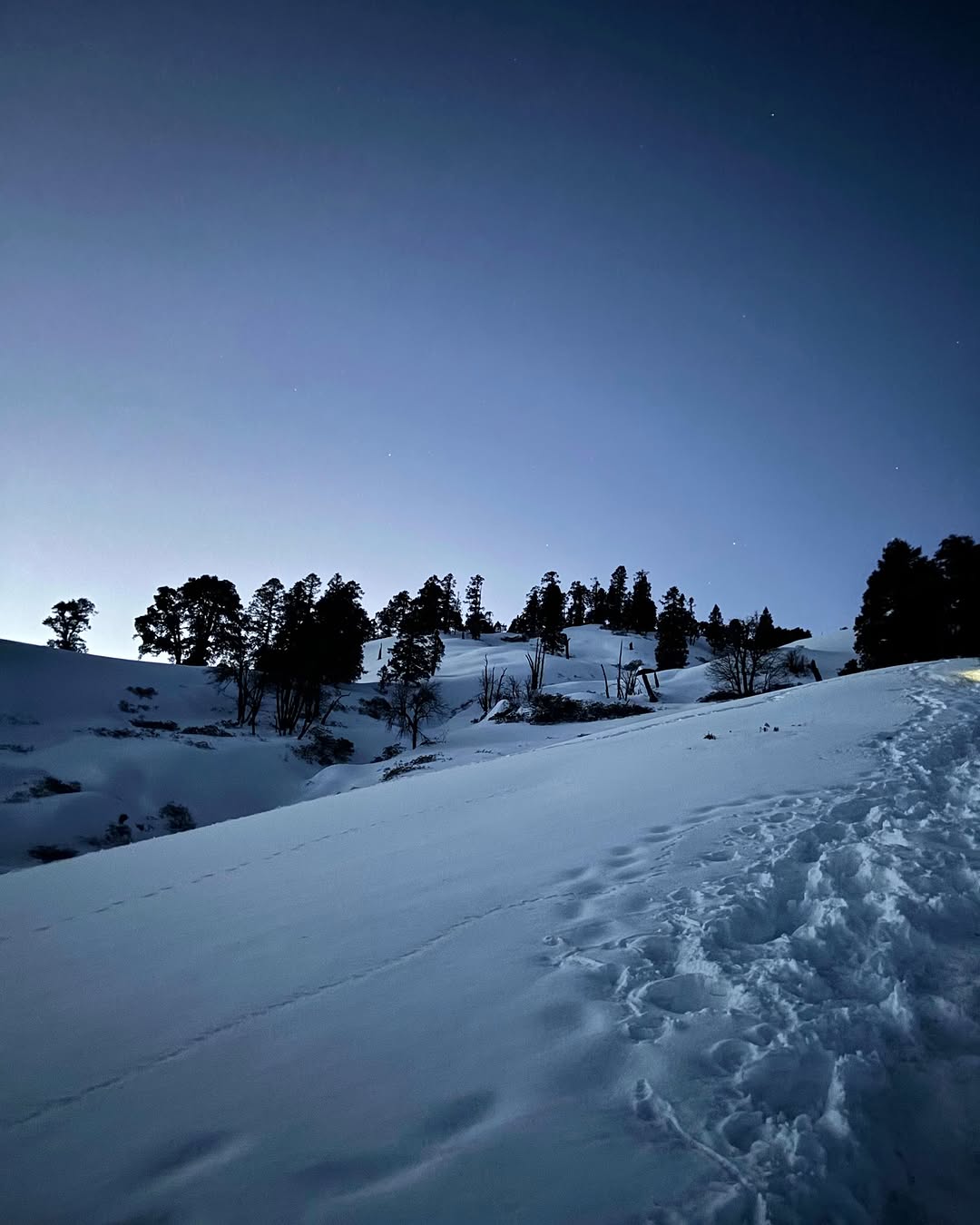
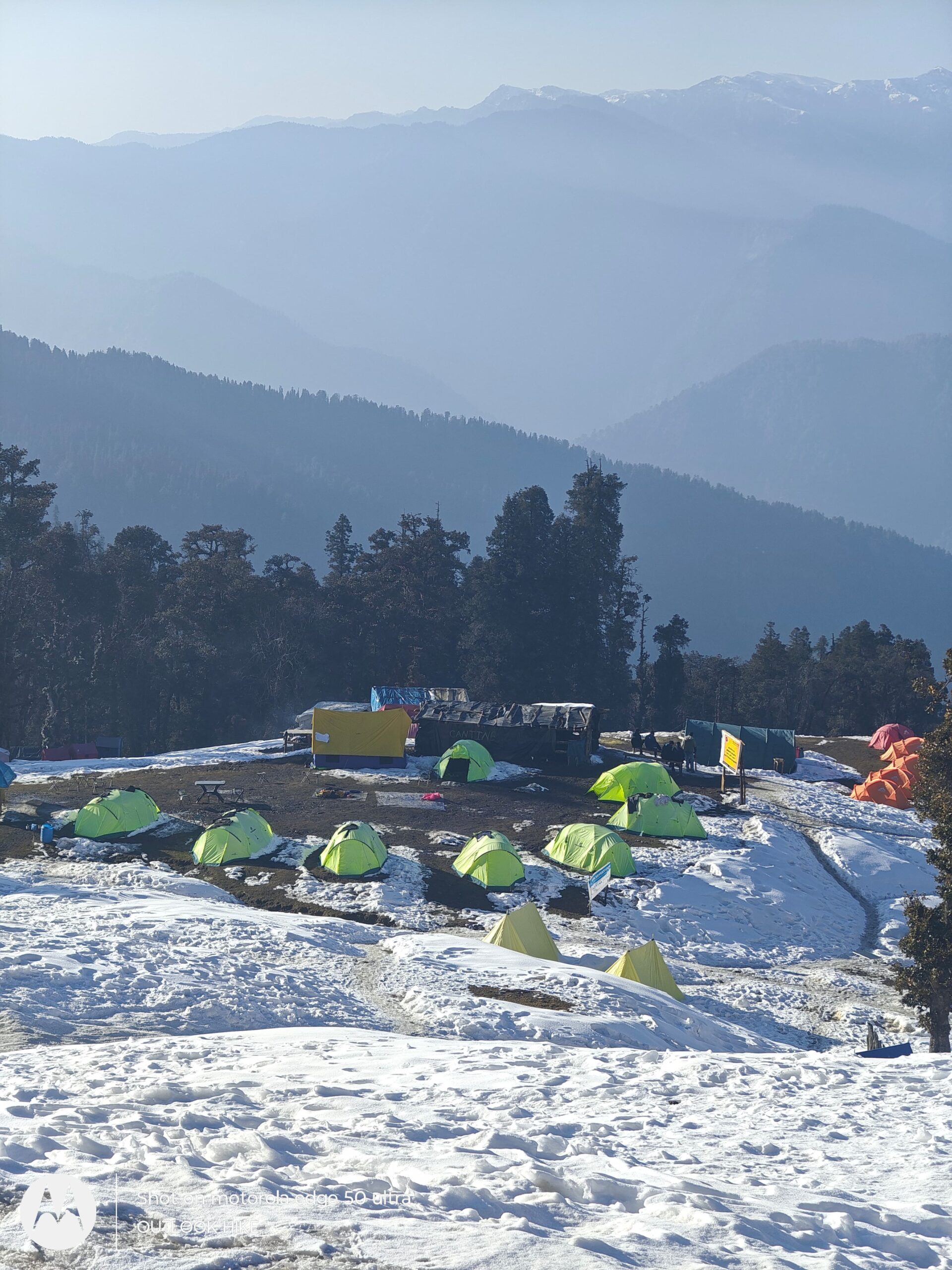
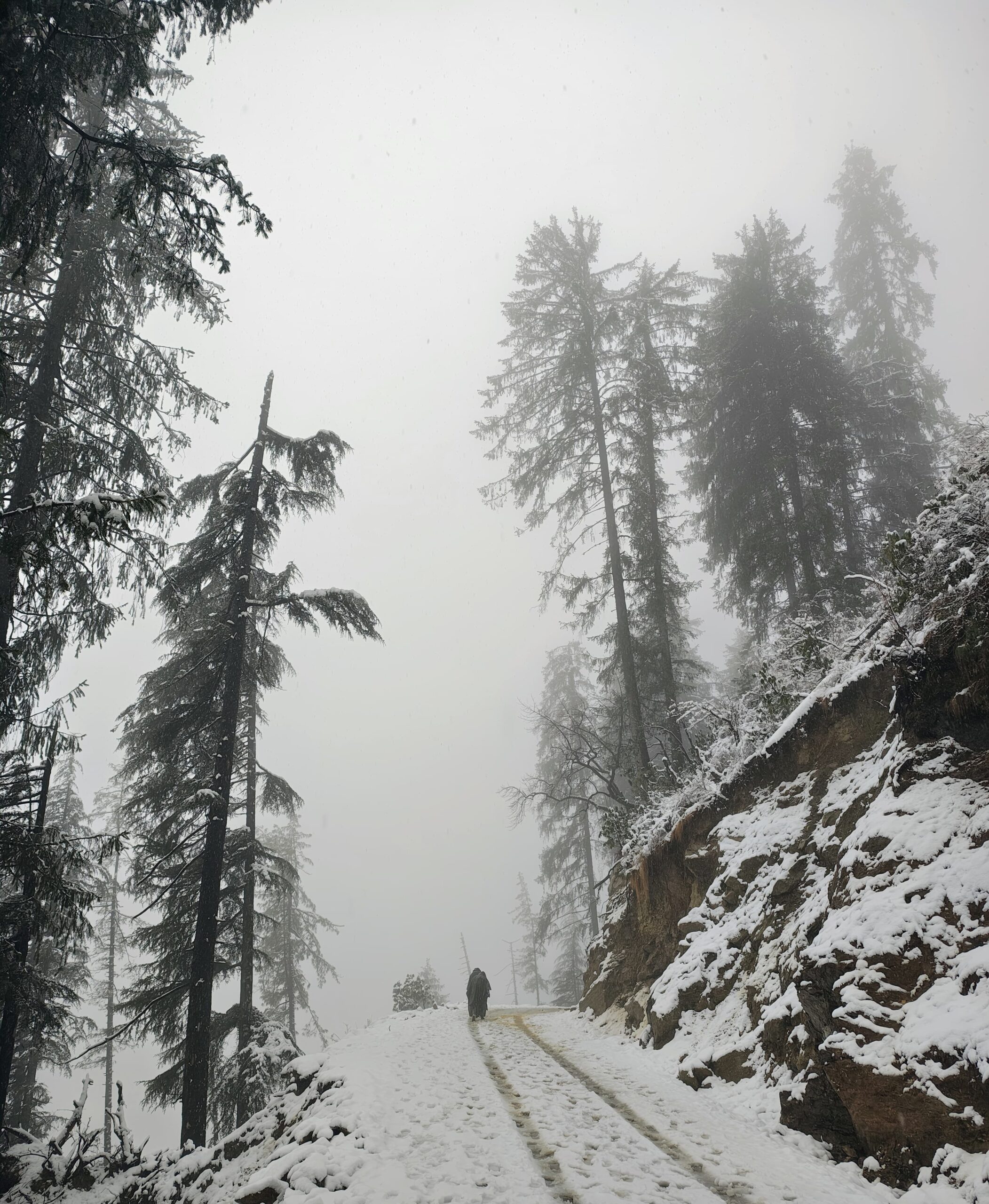
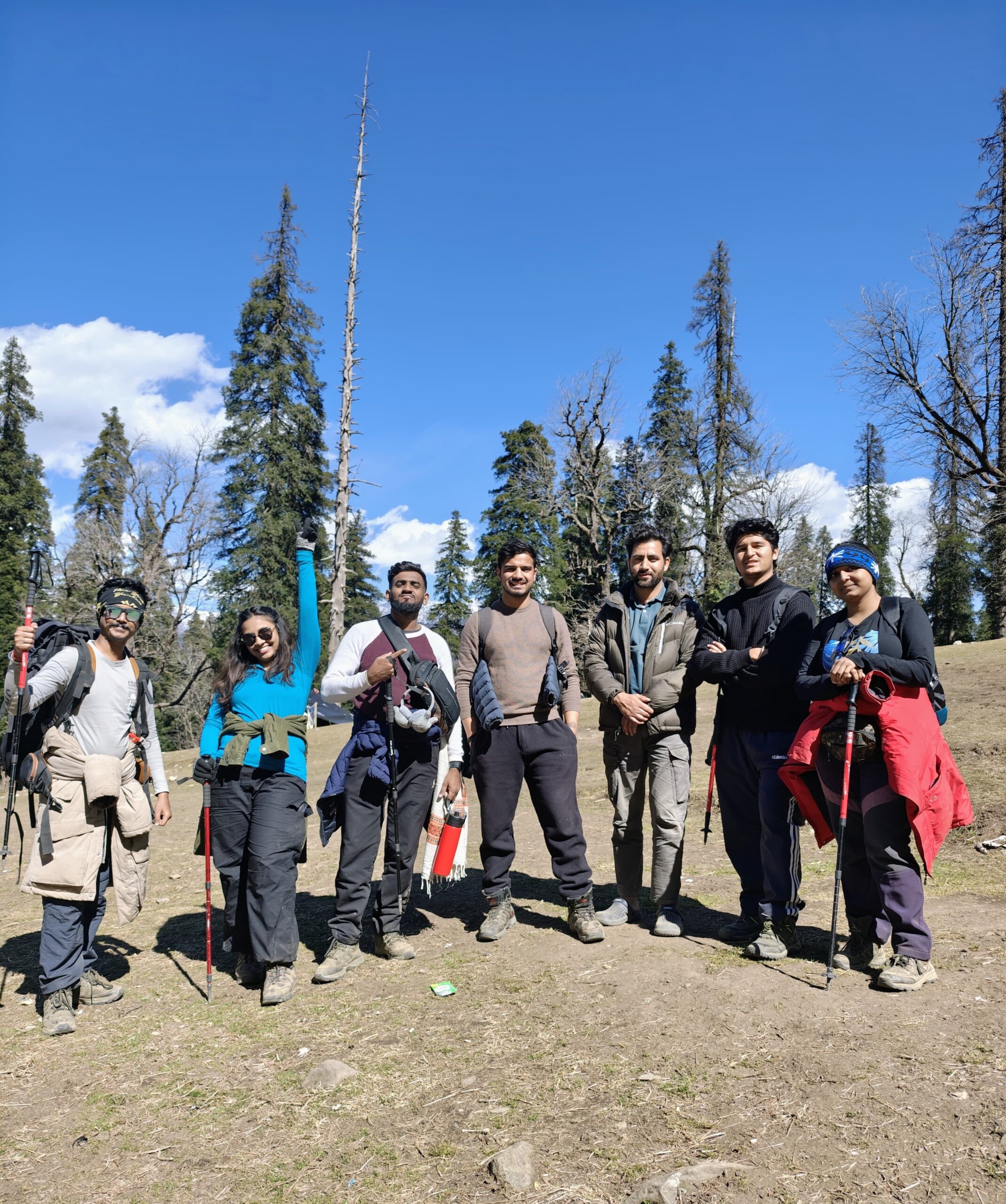
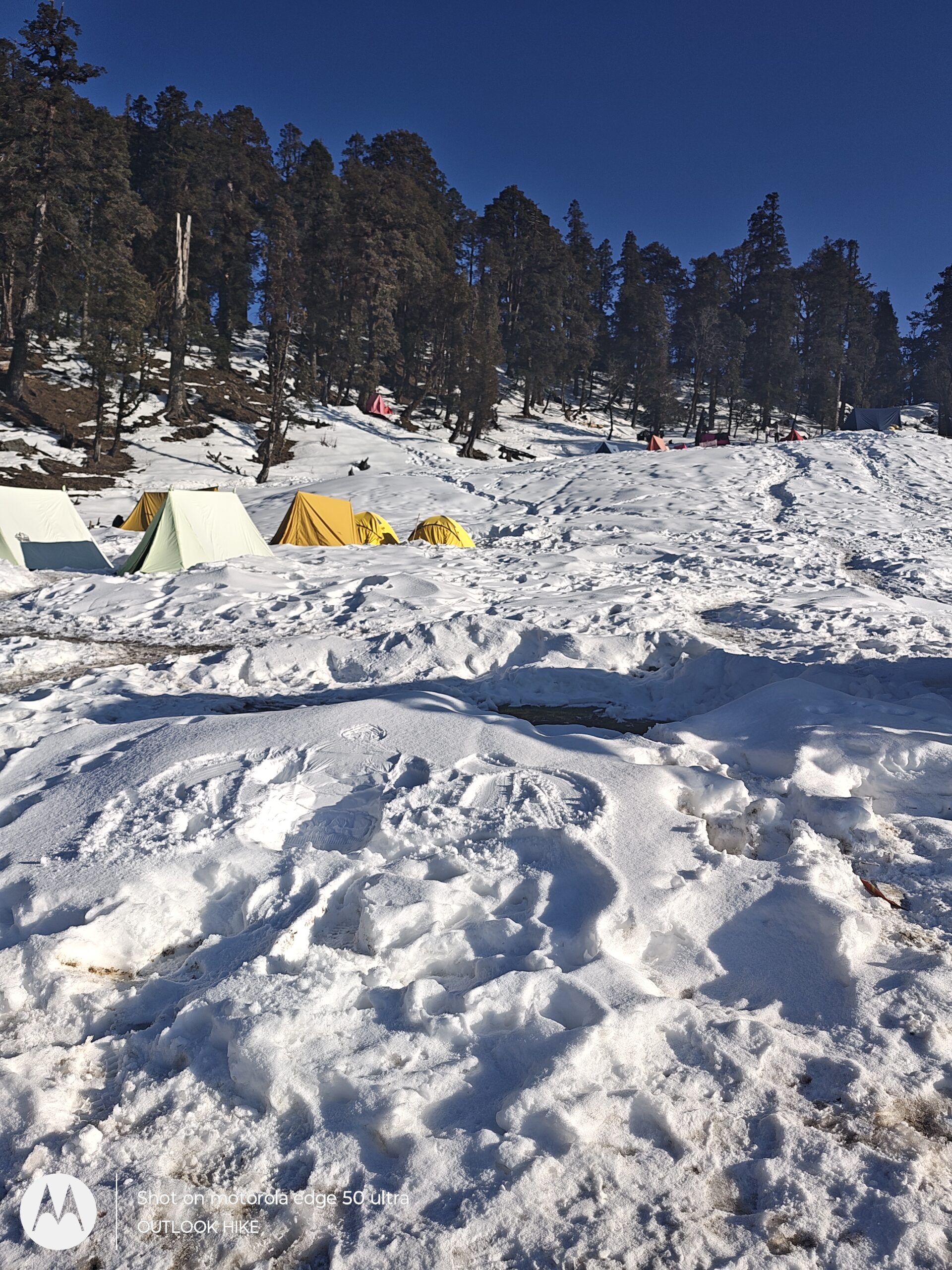
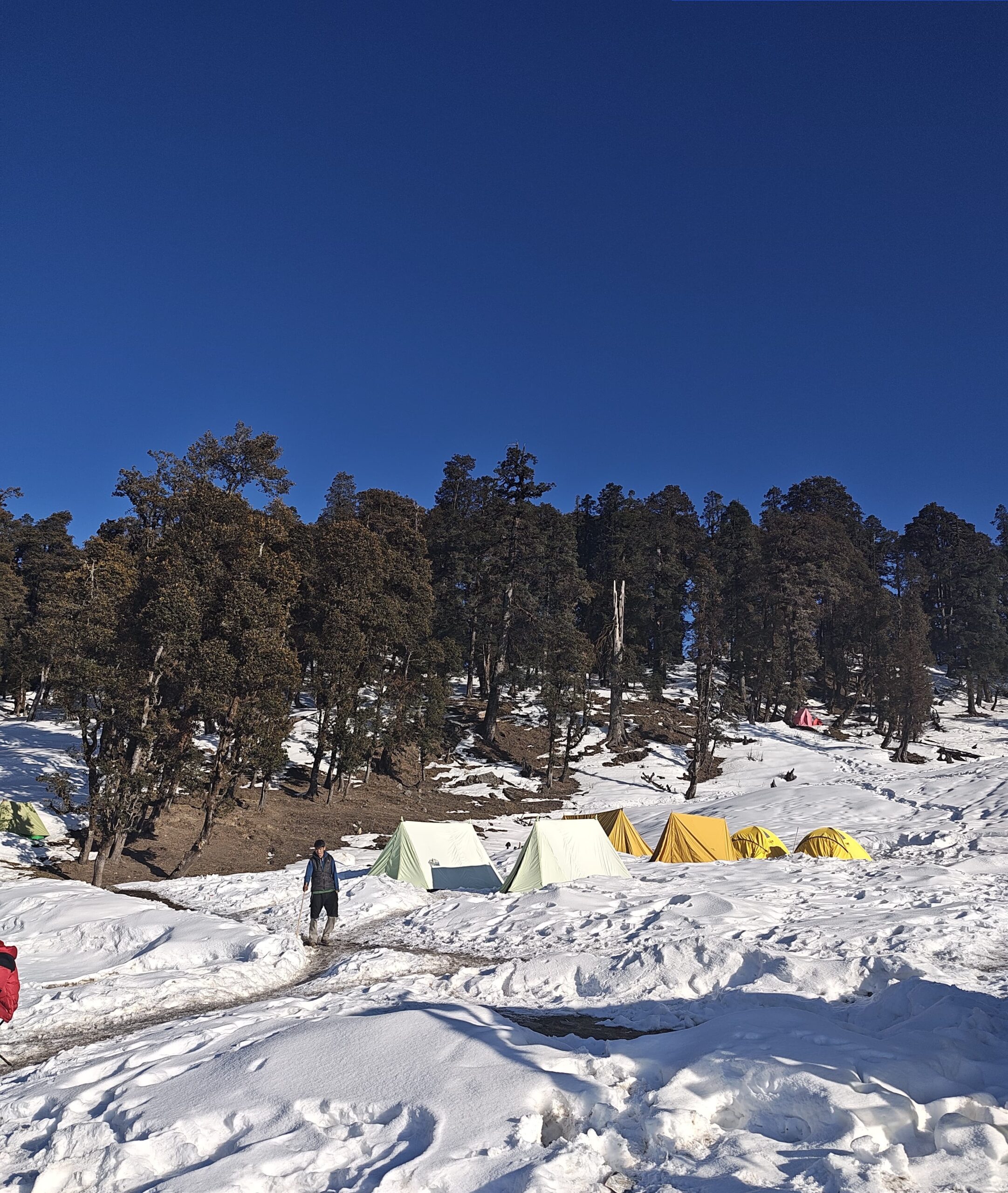
BORASU PASS PHOTOS

Read More About Borasu Pass Trek
Best Time To Visit Kedarkantha Trek
“Discover the best time to visit Kedarkantha Trek for snow-covered trails, clear skies & breathtaking views. Ideal months: December to April. Plan your perfect Himalayan adventure now!”
Best Time To Visit Kedarkantha Trek
“Discover the best time to visit Kedarkantha Trek for snow-covered trails, clear skies & breathtaking views. Ideal months: December to April. Plan your perfect Himalayan adventure now!”
Best Time To Visit Kedarkantha Trek
“Discover the best time to visit Kedarkantha Trek for snow-covered trails, clear skies & breathtaking views. Ideal months: December to April. Plan your perfect Himalayan adventure now!”
RELATED TREKS


