
Basecamp
Sitapur
Duration
12 Days
Max. Altitude
12,073 ft.
Distance
140 Kms
Grade
Difficult
Pickup/Drop
Rishikesh
Panch Kedar Overview
Panch Kedar Trek – A Sacred Journey Through the Five Shrines of Lord Shiva
The Panch Kedar Trek is one of the most spiritually enriching and offbeat treks in Uttarakhand, India. It connects the five holy temples of Lord Shiva—Kedarnath, Tungnath, Rudranath, Madhyamaheshwar, and Kalpeshwar—nestled deep within the Garhwal Himalayas. According to legends, these five shrines are the places where parts of Lord Shiva’s divine form appeared after he vanished from the Pandavas.
Unlike commercialized trails, the Panch Kedar Trek is a mystical blend of mythology, high-altitude adventure, and cultural immersion. With routes winding through remote villages, sacred forests, snow-covered ridges, and ancient stone paths, this trek offers a rare combination of pilgrimage and exploration, perfect for both trekkers and spiritual seekers.
Highlights of the Panch Kedar Trek
Visit all 5 Kedar Temples: Kedarnath, Tungnath, Rudranath, Madhyamaheshwar, Kalpeshwar
Altitude Range: 1,800 m (Kalpeshwar) to 3,583 m (Kedarnath)
Duration: 15 to 18 days (customizable)
Difficulty: Moderate to Challenging
Region Covered: Ukhimath, Chopta, Gopeshwar, Urgam Valley, and Kedarnath Valley
Spiritual Depth: One of the most sacred Shiva circuits in India, often considered a soul-purifying journey
Mythological Significance
According to the Mahabharata, after the Kurukshetra war, the Pandavas sought Lord Shiva’s forgiveness for killing their kin. Shiva, avoiding them, disguised himself as a bull and disappeared into the ground at Kedarnath. The five body parts of the bull appeared at five different locations, forming the Panch Kedar temples:
Kedarnath – Hump
Tungnath – Arms
Rudranath – Face
Madhyamaheshwar – Navel
Kalpeshwar – Hair
Why Choose the Panch Kedar Trek?
Sacred Pilgrimage + Hidden Trails rarely visited by mainstream trekkers
Trek through remote Himalayan villages untouched by commercialization
See lush meadows, alpine forests, snow-capped peaks, and sacred river origins
Ideal for cultural explorers, Shiva devotees, photographers, and serious trekkers
Combine spiritual awakening with the physical challenge of Himalayan trekking
Panch Kedar Short Itinerary
Day 1: Rishikesh To Sitapur
Distance: ~220 km
Travel Time: 8–9 hours
Route: Rishikesh → Devprayag → Rudraprayag → Agastmuni → Sitapur
Highlights: Sacred confluences (Devprayag & Rudraprayag), Alaknanda & Mandakini rivers, scenic Garhwal drive, traditional Himalayan villages
Day 2: Sitapur To Gaurikund, Trek To Kedarnath
Distance: ~7 km drive + ~16 km trek
Travel Time: 10–12 hours
Route: Sitapur → Sonprayag → Gaurikund → Kedarnath
Highlights: Kedarnath Temple, glacier-fed Mandakini River, spiritual Himalayan trail, majestic mountain surroundings
Day 3: Kedarnath To Gaurikund, Drive To Chopta
Distance: ~16 km trek + ~90 km drive
Travel Time: 9–10 hours
Route: Kedarnath → Gaurikund → Sonprayag → Ukhimath → Chopta
Highlights: Spiritual descent, scenic Mandakini valley, forested roads to Chopta, pine and rhododendron landscapes
Day 4: Trek To Tungnath & Chandrashila, Return To Chopta
Distance: ~10 km round trip trek
Travel Time: 5–6 hours
Route: Chopta → Tungnath → Chandrashila → return to Chopta
Highlights: Tungnath – world’s highest Shiva temple, Chandrashila peak with 360° Himalayan views, sunrise experience, snow (in winter)
Day 5: Chopta To Ransi Village
Distance: ~90 km drive
Travel Time: 4–5 hours
Route: Chopta → Ukhimath → Kalimath → Ransi
Highlights: Kalimath Shakti Peeth, confluence roads, pine forests, peaceful Himalayan village atmosphere
Day 6: Trek To Madhyamaheshwar Temple
Distance: ~16 km trek
Travel Time: 6–7 hours
Route: Ransi → Bantoli → Madhyamaheshwar
Highlights: Madhyamaheshwar Temple, Chaukhamba massif views, lush forests, riverside trails, serene camping atmosphere
Day 7: Trek Back To Ransi, Drive To Sagar Or Mandal
Distance: ~16 km trek + ~100 km drive
Travel Time: 8–9 hours
Route: Madhyamaheshwar → Ransi (trek) → Ukhimath → Gopeshwar → Sagar/Mandal
Highlights: Forest trek, traditional villages, transition to Rudranath base, oak and rhododendron forests
Day 8: Trek To Rudranath Temple
Distance: ~18 km trek
Travel Time: 7–8 hours
Route: Sagar/Mandal → Panar Bugyal → Pitradhar → Rudranath
Highlights: Rudranath Temple – Shiva’s face form, alpine meadows, snow-capped peaks, deep forest silence
Day 9: Trek To Lyuti Bugyal, Drive To Urgam Village
Distance: ~10 km trek + ~60 km drive
Travel Time: 8–9 hours
Route: Rudranath → Lyuti Bugyal (trek) → Sagar/Helang → Urgam
Highlights: Remote descent through meadows, peaceful Kalpganga valley, traditional Garhwali hospitality
Day 10: Trek To Kalpeshwar Temple, Return To Rishikesh
Distance: ~4 km trek + ~250 km drive
Travel Time: 10–11 hours
Route: Urgam → Kalpeshwar (trek) → Helang → Joshimath → Chamoli → Rishikesh
Highlights: Kalpeshwar – Shiva’s hair in a cave temple, spiritual closure to Panch Kedar Yatra, scenic Alaknanda river valley drive
Panch Kedar Detailed Itinerary
Distance: ~220 km (by road)
Travel Time: 8–9 hours
Route: Rishikesh → Devprayag → Srinagar → Rudraprayag → Agastmuni → Sitapur
Highlights: Sacred confluences (Devprayag & Rudraprayag), Alaknanda & Mandakini rivers, scenic Garhwal drive, traditional Himalayan villages
Day 1 of the Panch Kedar Yatra begins from the holy town of Rishikesh, situated on the banks of the Ganga River and revered as the spiritual gateway to the Himalayas. From here, you’ll set out on a soul-enriching journey toward Sitapur, which serves as the ideal night halt before the Kedarnath trek.
This scenic drive unfolds through some of Uttarakhand’s most sacred and picturesque locations. The first significant stop is Devprayag, where the Bhagirathi and Alaknanda rivers unite to form the Ganga — a deeply spiritual site in Hinduism. Continuing along the winding mountain roads, you’ll reach Rudraprayag, another revered confluence where the Alaknanda meets the Mandakini River.
The journey offers panoramic views of river valleys, pine forests, and distant snow-capped peaks. You’ll pass through peaceful hill towns like Srinagar (Garhwal) and Agastmuni, gaining insights into the rural lifestyle of the Garhwali people.
By evening, you’ll arrive in Sitapur, located just a few kilometers from Sonprayag and Gaurikund, the starting point of the Kedarnath trek. Sitapur is a strategic resting place for yatris, offering proximity, comfort, and early access to the trail the following morning.
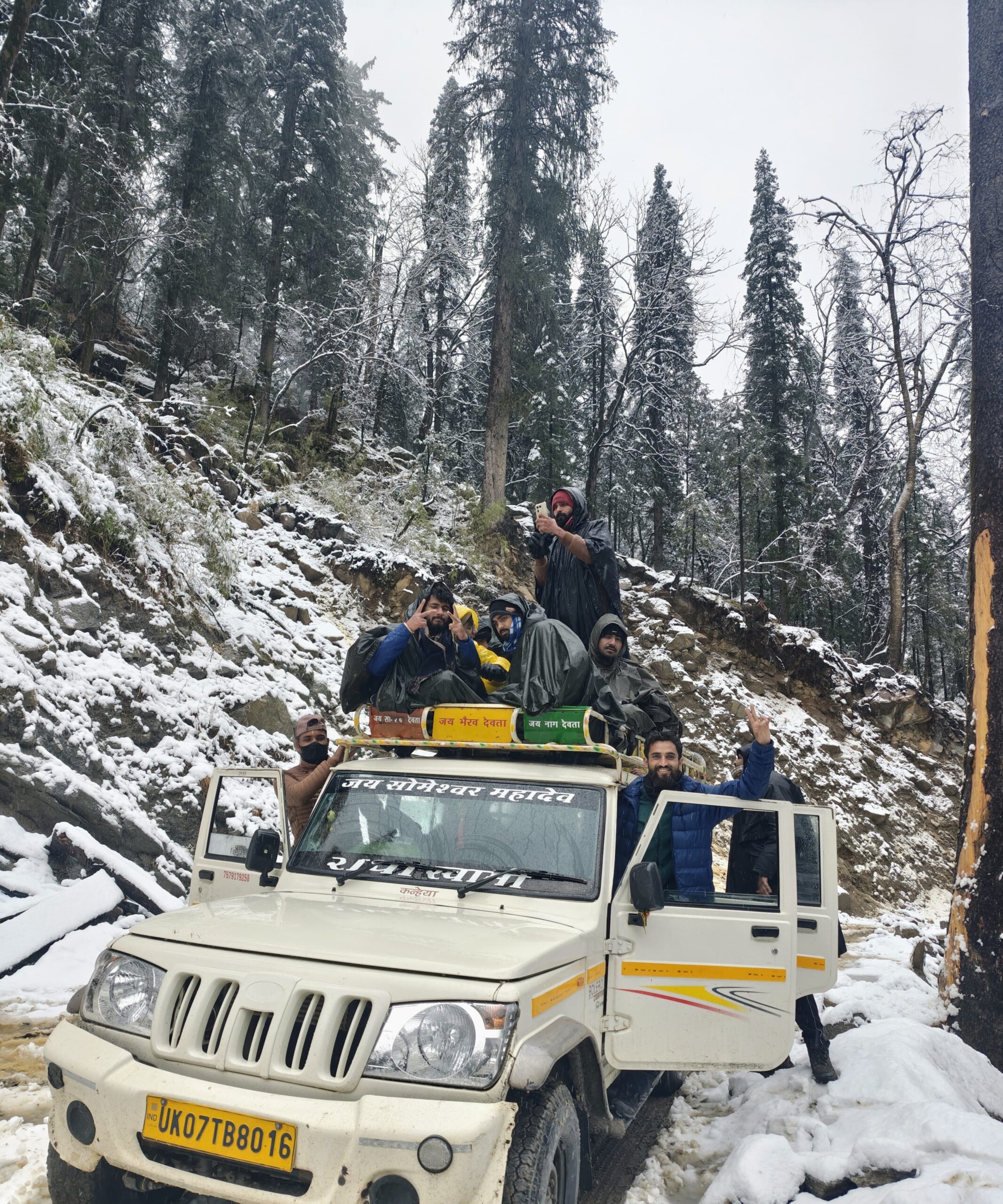
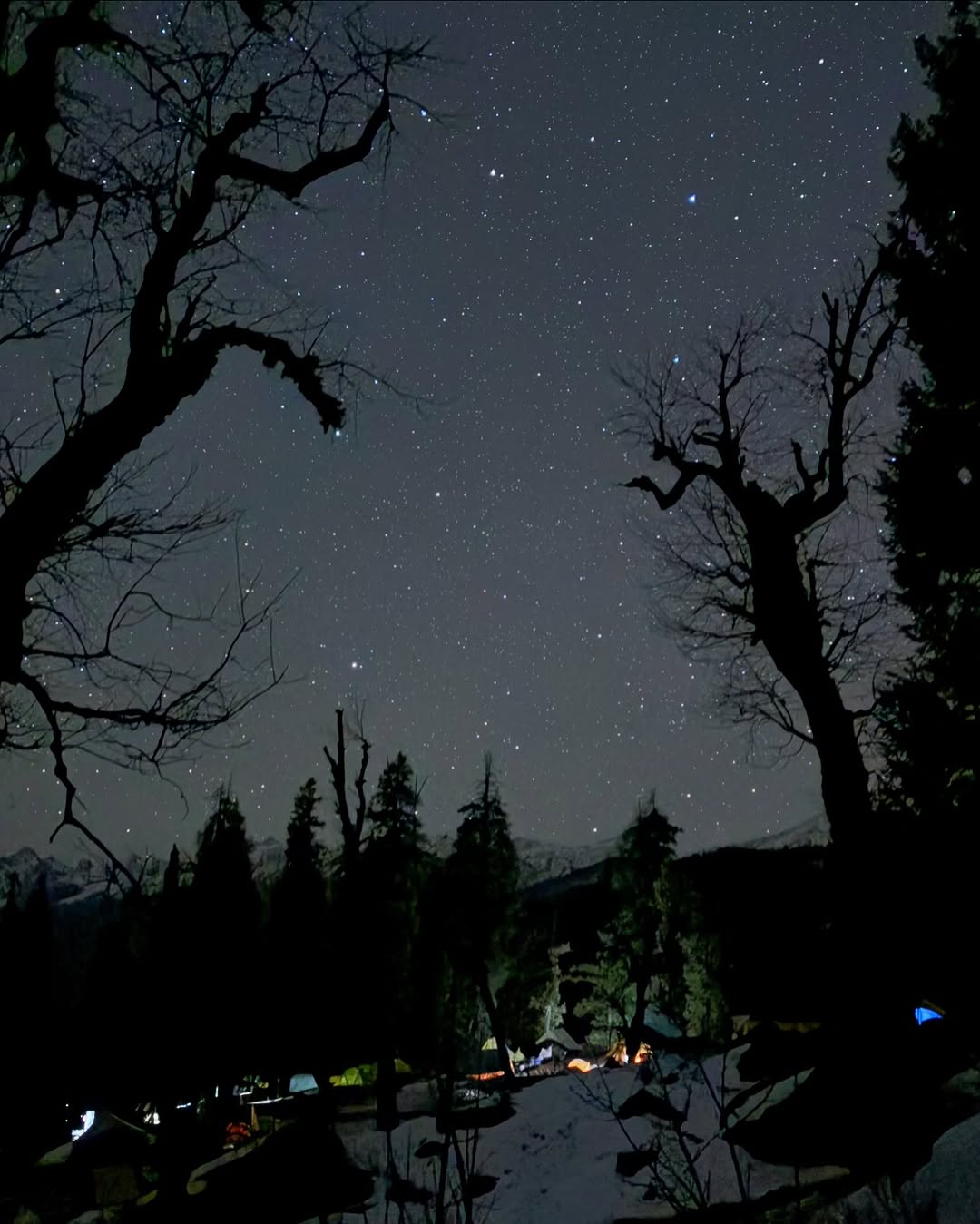
Distance: ~7 km drive + ~16 km trek
Travel Time: 10–12 hours (total)
Route: Sitapur → Sonprayag → Gaurikund → Kedarnath
Altitude: Kedarnath ~3,580 meters
Highlights: Kedarnath Temple, glacier-fed Mandakini River, peaceful forest trail, spiritual Himalayan trek
Day 2 marks the most awaited part of the Panch Kedar Yatra — the trek to the sacred Kedarnath Temple, the first and most prominent of the five Kedars. The day begins early from Sitapur, with a short drive to Sonprayag and then Gaurikund, the starting point of the trek.
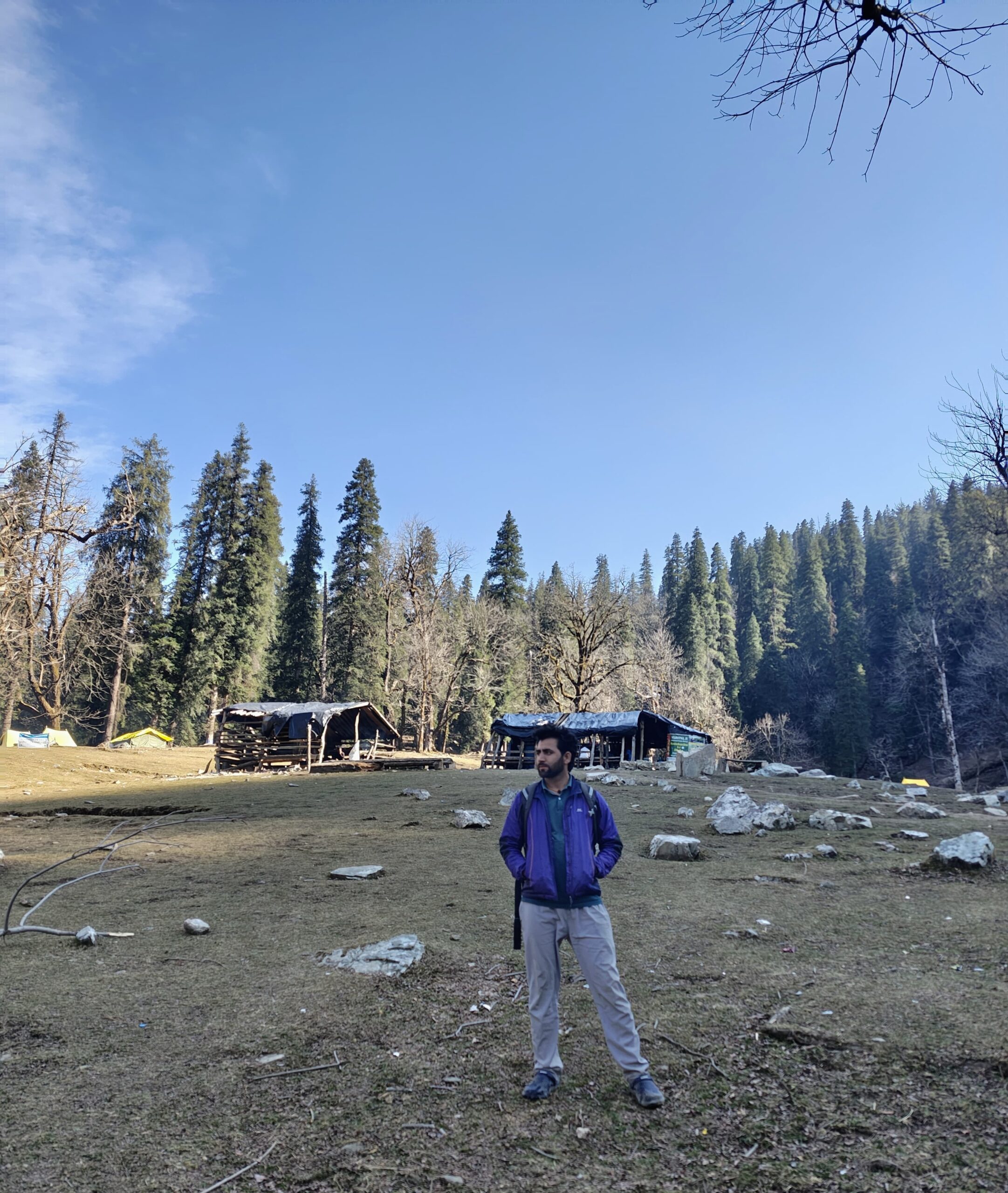
From Gaurikund, the 16 km uphill trek to Kedarnath unfolds along the banks of the roaring Mandakini River, fed by glacial melt from the Chorabari Glacier. The path is a mix of paved sections and natural terrain, winding through pine forests, waterfalls, and sweeping Himalayan landscapes.
Pilgrims ascend steadily, often chanting Lord Shiva’s name, soaking in the divine atmosphere. Along the route, facilities like food stalls, ponies, palanquins, and even helicopter options are available for those needing assistance.
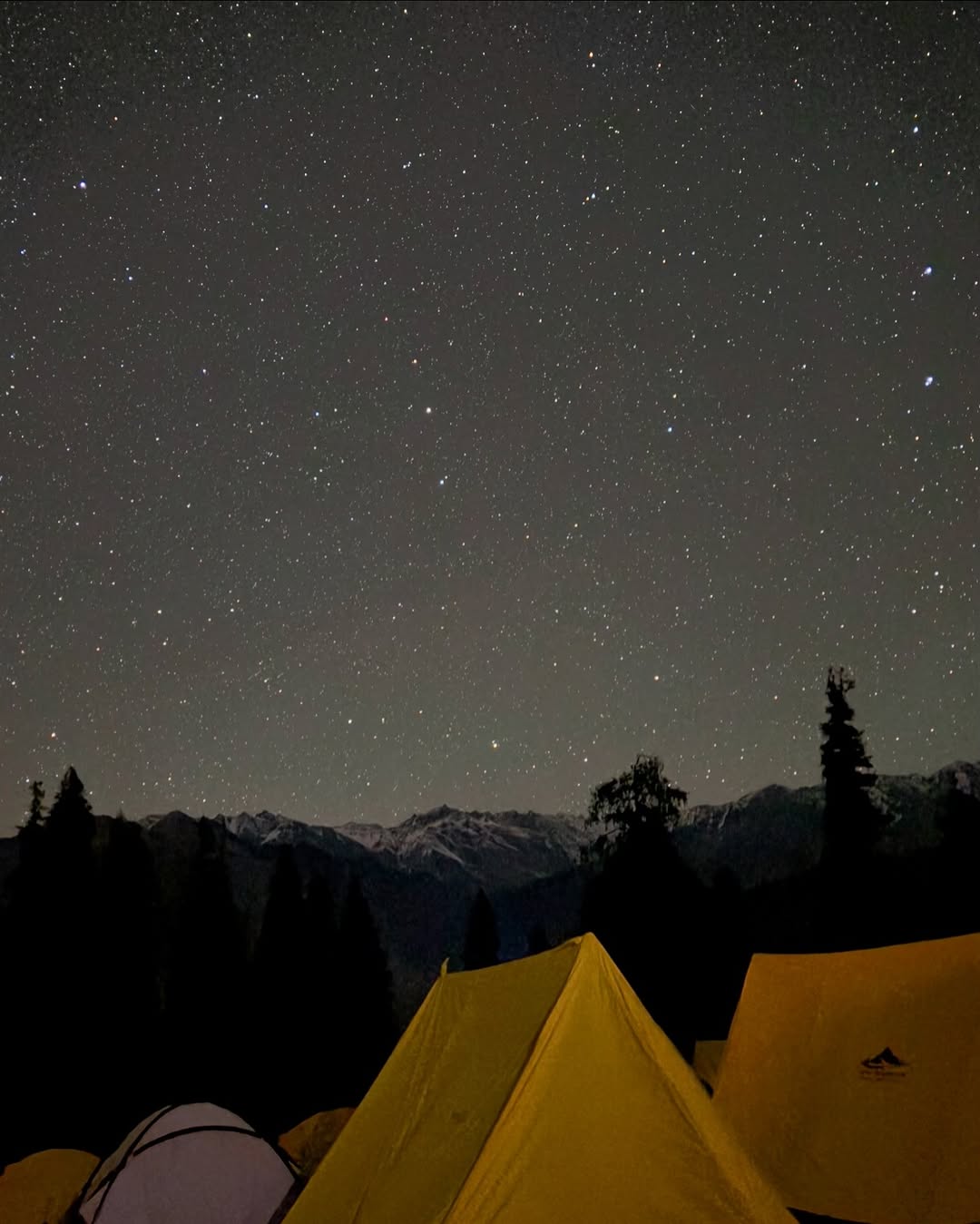
After 6–8 hours of trekking, you reach Kedarnath, home to the ancient Kedarnath Temple, one of the 12 Jyotirlingas of Lord Shiva. Nestled in a high-altitude valley surrounded by majestic peaks like Kedarnath Dome and Bharatekunta, the temple stands as a testament to unwavering faith and endurance.
Pilgrims offer prayers at the shrine and can also visit Adi Shankaracharya’s samadhi located just behind the temple. The aura of the region is spiritually overwhelming, especially during the evening aarti.
You’ll spend the night in a lodge or tented accommodation near the temple.
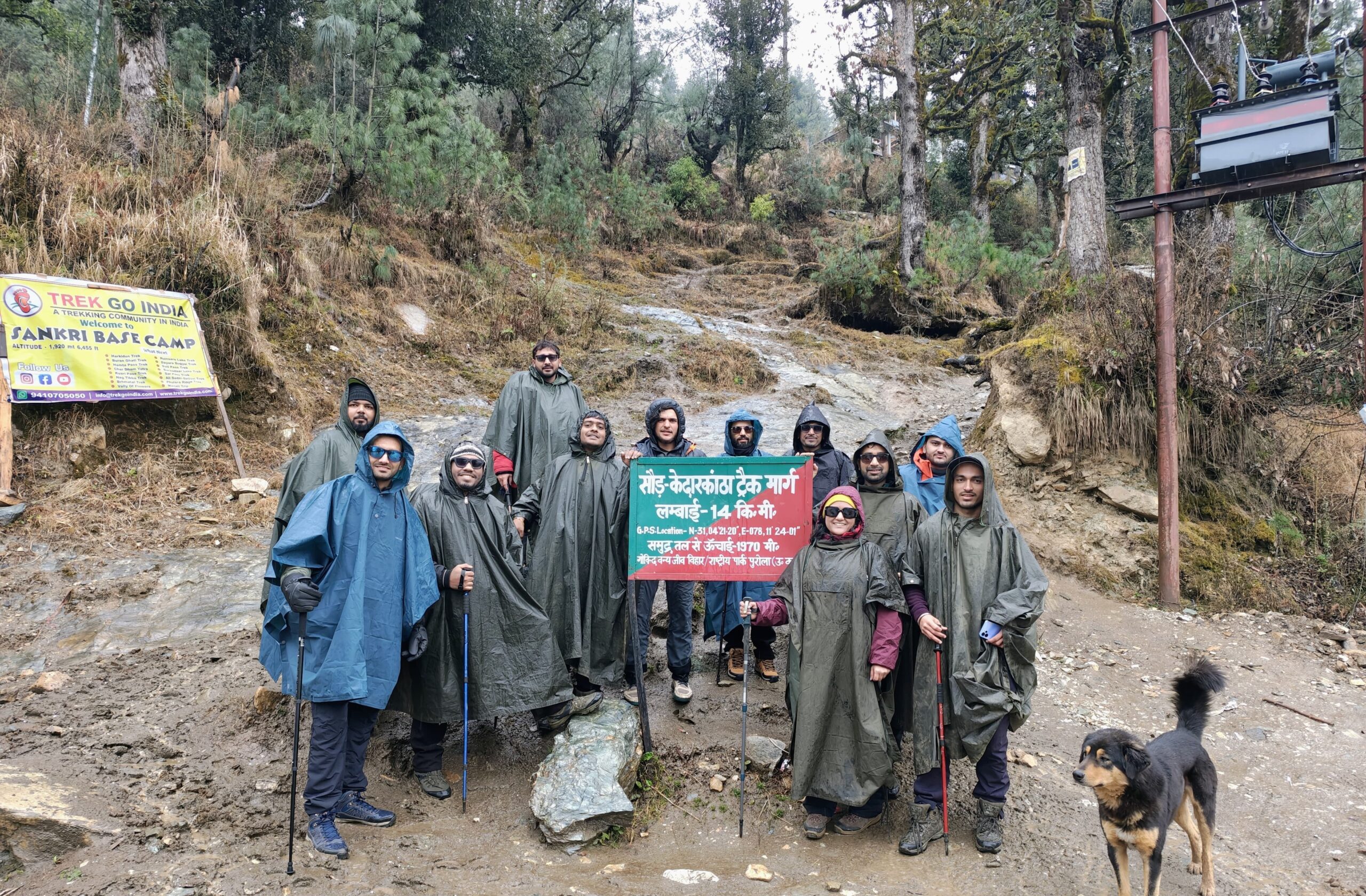
Distance: ~16 km trek + ~90 km drive
Travel Time: 9–10 hours (total)
Route: Kedarnath → Gaurikund (trek) → Sonprayag → Ukhimath → Chopta
Altitude: Chopta ~2,680 meters
Highlights: Spiritual descent from Kedarnath, Mandakini river views, lush valleys, pine forests, scenic drive through Ukhimath
Day 3 of the Panch Kedar Yatra begins with an early morning descent from Kedarnath to Gaurikund, retracing the same 16 km trail that you ascended the previous day. The downhill trek, though easier on the lungs, can be challenging on the knees, so use trekking poles or take breaks as needed.
As you descend, you’ll be surrounded by serene Himalayan vistas — forested slopes, cascading waterfalls, and glimpses of the Mandakini River flowing alongside. On reaching Gaurikund, take some time to rest, refresh, and have lunch before boarding your vehicle.
From here, begin your scenic drive to Chopta, known as the “Mini Switzerland of India.” The route passes through Sonprayag, Guptkashi, and Ukhimath — where the winter seat of Kedarnath is housed. You’ll drive alongside the river, through small mountain settlements and thick forests.
By evening, arrive at Chopta, a peaceful alpine meadow nestled in the lap of the Garhwal Himalayas. Known for its pristine environment, rhododendron forests, and snow-capped backdrops, Chopta serves as the base for the next day’s trek to Tungnath and Chandrashila.
Overnight stay in a cozy guesthouse, homestay, or campsite amidst tranquil surroundings.
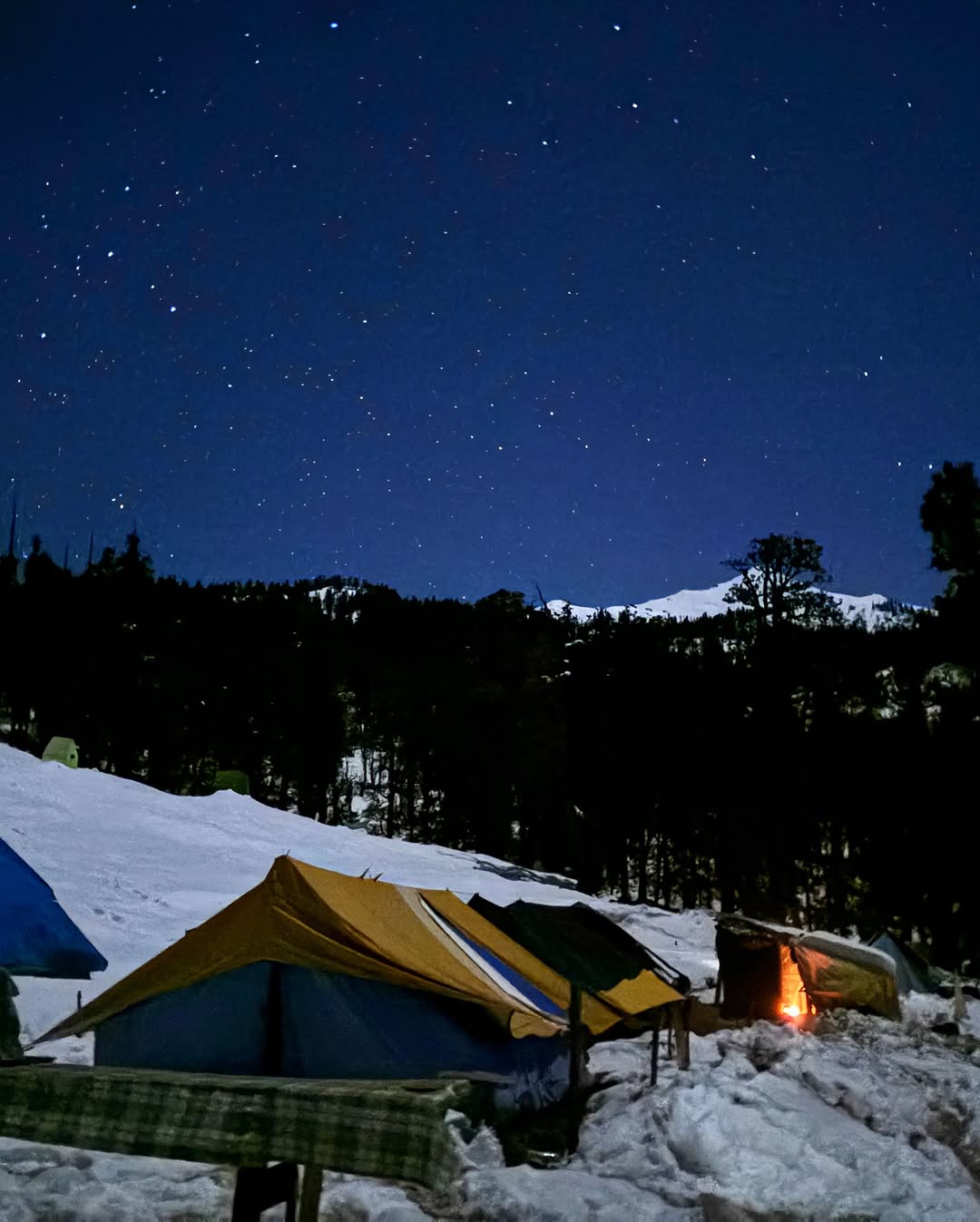
Distance: 5 km trek one way (10 km round trip)
Travel Time: 5–6 hours (round trip)
Route: Chopta → Tungnath → Chandrashila → return to Chopta
Altitude: Chandrashila ~3,690 meters, Tungnath ~3,680 meters
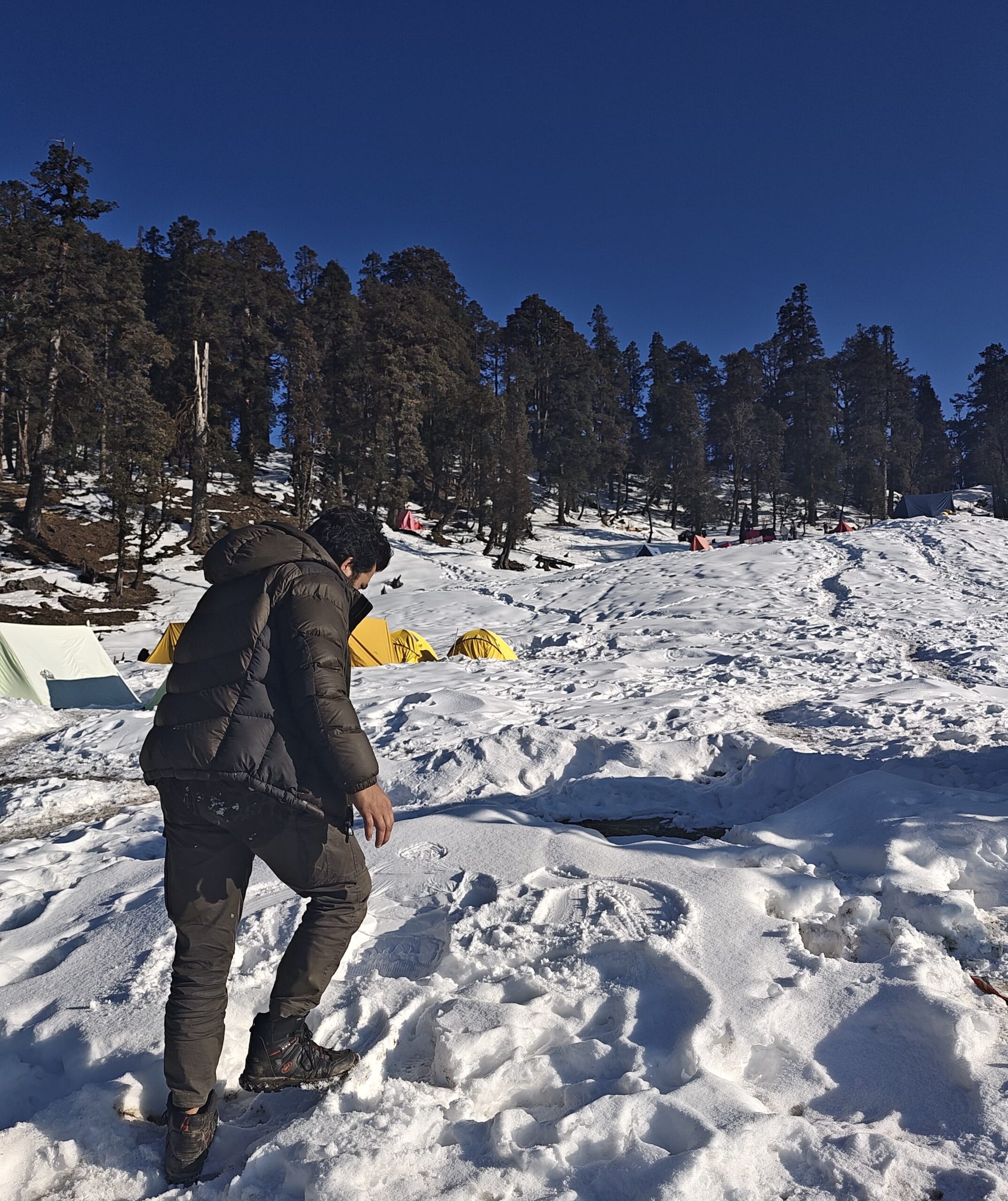
Highlights: Tungnath – highest Shiva temple in the world, panoramic 360° Himalayan views from Chandrashila, sunrise trek, snow (in winter)
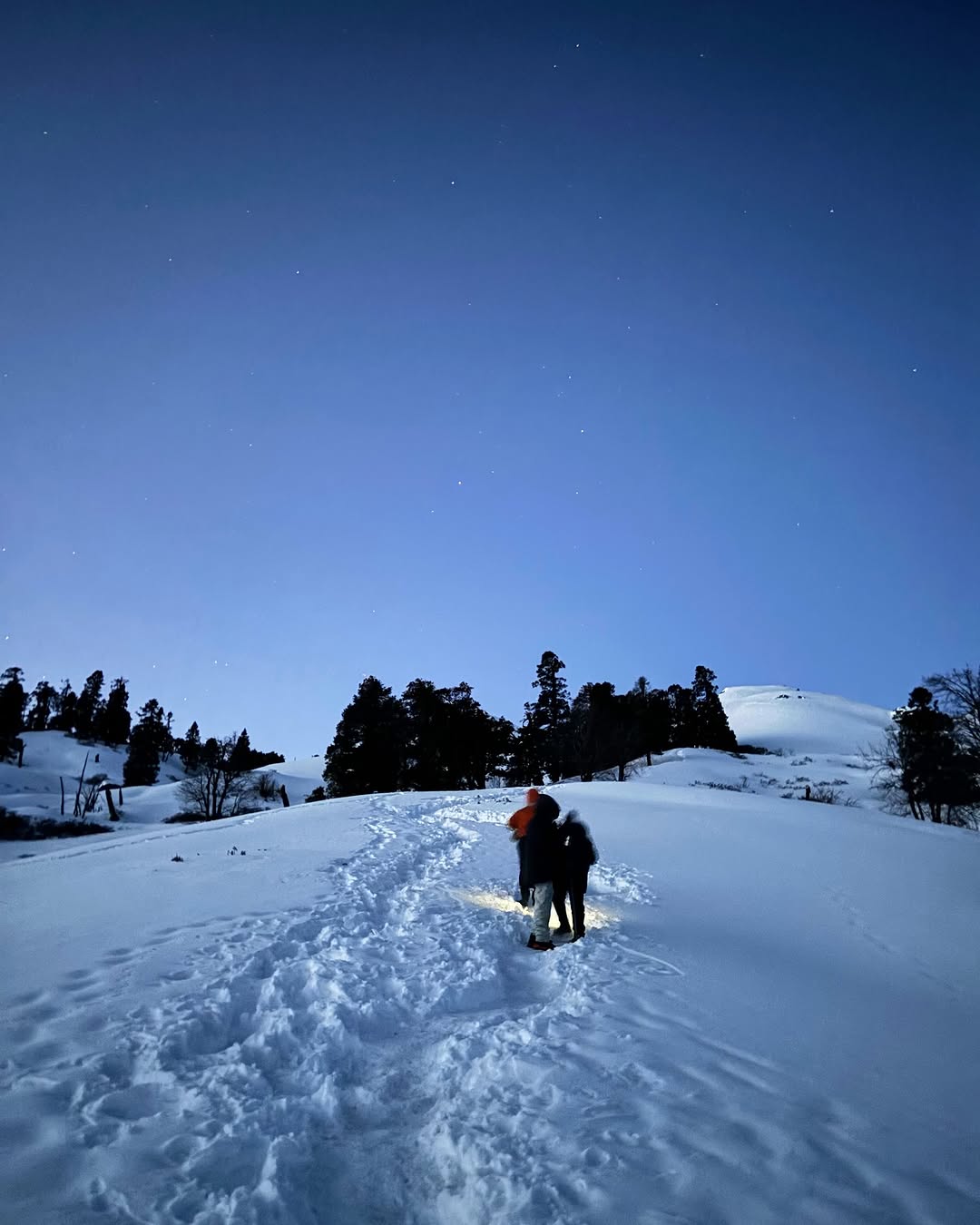
Day 4 of the Panch Kedar Trek takes you on a short but spectacular trek to Tungnath, the third temple of the Panch Kedar circuit, and onward to Chandrashila Peak, one of the most breathtaking viewpoints in the Indian Himalayas. The day starts early with a light breakfast at Chopta, followed by a 5-kilometer moderate ascent on a well-marked stone-paved trail.
The trail passes through rhododendron forests, open meadows, and offers glimpses of snow-covered peaks. After about 2.5–3 hours of hiking, you reach Tungnath Temple, which is believed to be more than 1,000 years old and is the highest Shiva temple in the world. Pilgrims offer prayers here and rest before continuing the steep final 1.5-kilometer climb to Chandrashila, located at approximately 3,690 meters.
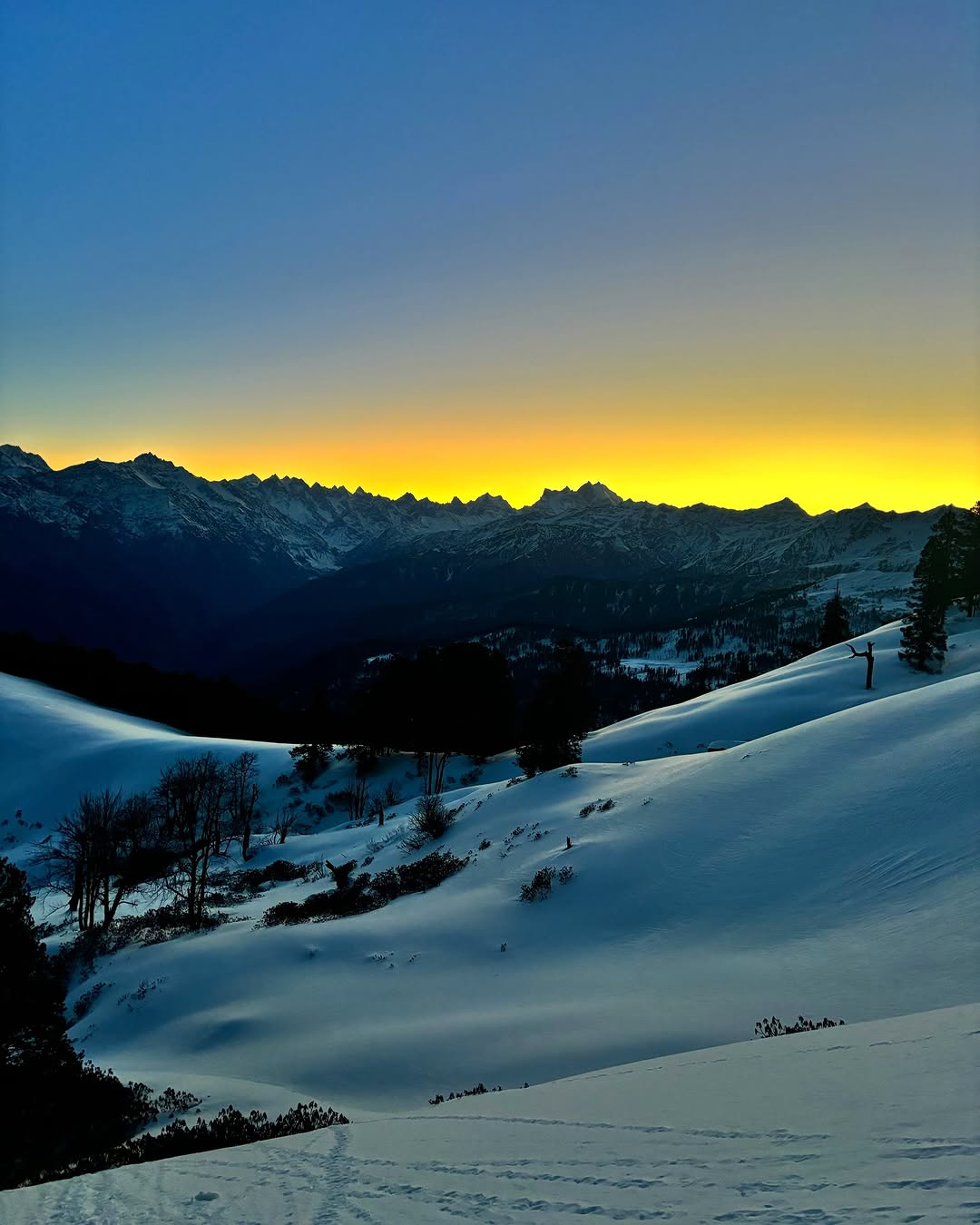
From the summit, you’ll witness unmatched views of Himalayan giants like Nanda Devi, Trishul, Chaukhamba, and Kedar Dome. After spending some peaceful moments at the top, you’ll retrace your steps to Chopta, where you’ll stay overnight at a guesthouse or campsite, surrounded by the serene Himalayan wilderness.
Distance: ~90 km drive
Travel Time: 4–5 hours
Route: Chopta → Ukhimath → Kund → Guptkashi → Kalimath → Ransi
Altitude: Ransi ~2,000 meters
Highlights: Scenic mountain drive, Mandakini river views, Kalimath Shakti Peeth, remote Himalayan village life, gateway to Madhyamaheshwar trek
Day 5 of the Panch Kedar Yatra takes you on a serene road journey from Chopta to Ransi Village, the starting point of the trek to Madhyamaheshwar, the fourth temple in the Panch Kedar circuit.
After breakfast in Chopta, you begin your drive through picturesque forest roads and charming mountain towns. The route passes through Ukhimath, a religious town where the winter seat of Kedarnath and Madhyamaheshwar temples is worshipped. You may take a short detour to visit Kalimath, one of the 108 Shakti Peethas and a powerful Devi temple located on the banks of the Saraswati River.
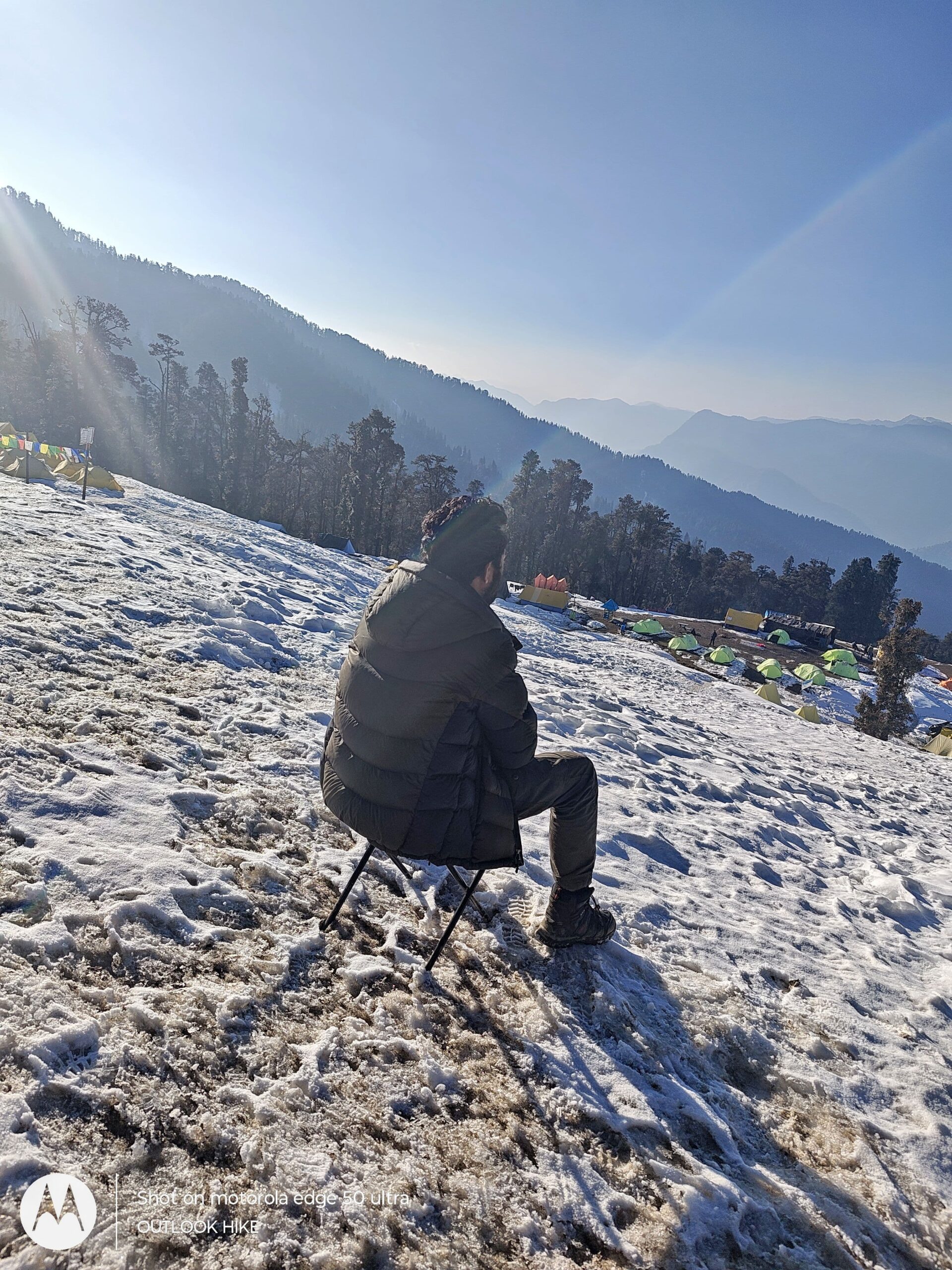
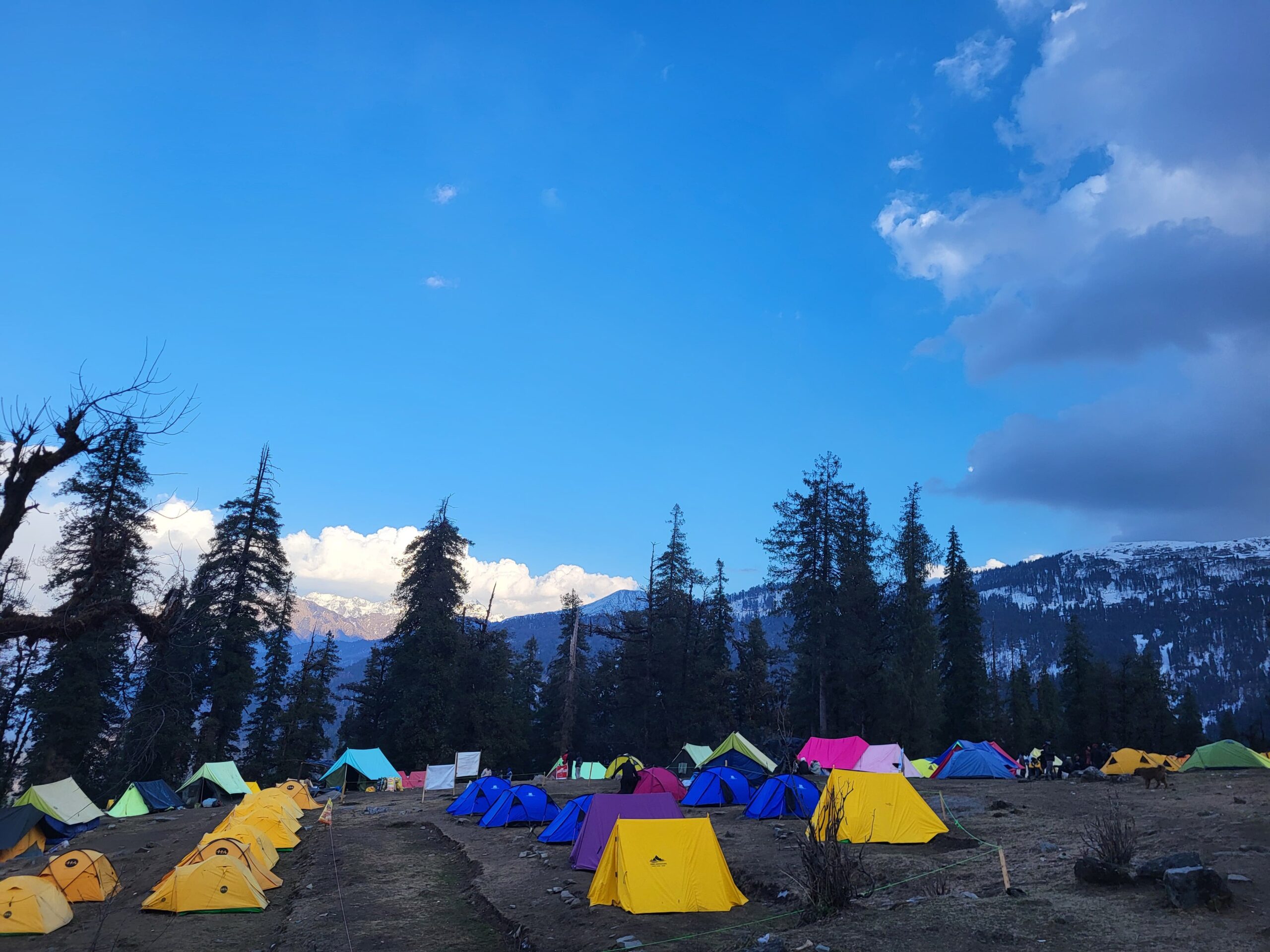
As you drive along the Mandakini River, the road narrows and climbs through lesser-known hamlets. Eventually, you reach Ransi Village, a peaceful Himalayan settlement surrounded by pine trees and high ridges. It’s a quiet, offbeat destination with minimal infrastructure, offering an authentic village experience and stunning sunset views.
Ransi is the last motorable point before the Madhyamaheshwar trail begins. You’ll rest here for the night in a homestay or basic guesthouse to acclimatize and prepare for the next day’s trek.
Distance: ~16 km trek
Travel Time: 6–7 hours
Route: Ransi → Gondar → Bantoli → Madhyamaheshwar
Altitude: Madhyamaheshwar ~3,289 meters
Highlights: Ancient Madhyamaheshwar Temple, Chaukhamba massif views, dense oak & rhododendron forests, riverside trails, peaceful remote Himalayas
Day 6 of your Panch Kedar Yatra takes you deep into the Himalayan wilderness as you begin the trek to Madhyamaheshwar Temple, believed to be the place where Lord Shiva’s navel (madhya) appeared.
The trail starts from Ransi Village and follows a gradual but continuous ascent through the beautiful Garhwal landscape. You pass through charming villages like Gondar and Bantoli, where the Madhyamaheshwar Ganga and Markandeya Ganga rivers converge. The trail meanders through dense forests of oak, deodar, and rhododendron, offering soothing shade and bird calls throughout the day.
As you gain altitude, the terrain becomes more rugged, with stone-paved paths and wooden bridges. The last stretch before reaching the temple opens up to breathtaking alpine meadows, with occasional sightings of Himalayan wildlife.
By late afternoon, you’ll arrive at Madhyamaheshwar Temple, an ancient stone shrine dedicated to Lord Shiva, surrounded by towering snow peaks, especially the glorious Chaukhamba massif. The spiritual energy at this secluded location is palpable, and the silence of the high Himalayas adds to its mystique.
Overnight stay in basic guesthouses or lodges near the temple. Evening aarti and night sky views are not to be missed.
Distance: ~16 km trek + ~100 km drive
Travel Time: 8–9 hours (total)
Route: Madhyamaheshwar → Bantoli → Ransi (trek) → Ukhimath → Gopeshwar → Sagar/Mandal (drive)
Altitude: Sagar ~2,000 meters / Mandal ~1,950 meters
Highlights: Forest trek, riverside trail, traditional villages, scenic drive to Rudranath base, oak and rhododendron woodlands
Day 7 of the Panch Kedar Yatra involves a return trek from Madhyamaheshwar to Ransi followed by a drive to either Sagar or Mandal, both of which serve as base points for the Rudranath Temple trek, the fourth Kedar in the sacred circuit.
The day starts early with a peaceful morning at the Madhyamaheshwar Temple, followed by the scenic descent along the same trail you took to ascend. The 16 km trek takes you back through Bantoli, Gondar, and lush green stretches filled with chirping birds, cascading streams, and thick Himalayan vegetation.
Once you reach Ransi, take a short break and begin your road journey toward Sagar Village or Mandal, depending on your planned Rudranath trek route. The drive winds along the ridges of Mandakini and Alaknanda valleys, passing through Ukhimath, Chopta (optional), and then heads toward Gopeshwar, a small town with decent facilities.
From Gopeshwar, you’ll either proceed to Sagar Village (more direct route) or Mandal (more scenic, forest-rich route), where you’ll halt for the night.
These villages are peaceful and surrounded by pine and oak forests, setting the tone for the more secluded and spiritual leg of the Yatra to Rudranath Temple the next day.
Distance: ~18 km trek (from Sagar or Mandal)
Travel Time: 7–8 hours (one way)
Route: Sagar/Mandal → Panar Bugyal → Pitradhar → Rudranath
Altitude: Rudranath ~3,600 meters
Highlights: Rudranath Temple – Shiva’s face form, alpine meadows (Panar Bugyal), panoramic mountain views, sacred forests, peaceful high-altitude trail
Day 8 of the Panch Kedar Yatra is both challenging and spiritually rewarding, as you trek to Rudranath Temple, the fourth temple in the sacred circuit. Rudranath is unique among the Panch Kedar shrines because it is dedicated to the face (mukha) of Lord Shiva and is located deep within the forested highlands of the Garhwal Himalayas.
Starting early from Sagar or Mandal Village, the trail begins with a gradual ascent through dense rhododendron and oak forests, later opening into wide alpine meadows like Panar Bugyal, which offer incredible views of Himalayan peaks such as Nanda Devi, Hathi Parvat, and Trishul.
As you cross Pitradhar, a high pass often covered in mist, the terrain becomes more spiritual and serene. According to legend, ancestors’ souls bless this point, and many pilgrims stop here to offer prayers.
After about 7–8 hours of trekking through changing landscapes, you reach the holy Rudranath Temple, nestled in a natural rock temple surrounded by high-altitude pastures and dense forest. The divine setting and solitude of this shrine make it one of the most peaceful and mystical experiences of the entire Panch Kedar Yatra.
Overnight stay is arranged in basic huts or tents near the temple or at nearby meadows, offering a truly off-grid Himalayan experience under the stars.
Distance: ~10 km trek + ~60 km drive
Travel Time: 8–9 hours (total)
Route: Rudranath → Lyuti Bugyal (trek) → Sagar/Helang → Urgam (drive)
Altitude: Urgam ~2,100 meters
Highlights: Alpine meadow trek, remote Himalayan descent, coniferous forests, peaceful Urgam Valley, gateway to Kalpeshwar
Day 9 of the Panch Kedar Yatra transitions you from the remote spiritual heights of Rudranath down into the tranquil valley of Urgam, which serves as the base for the final leg of the pilgrimage — Kalpeshwar, the fifth Kedar.
You begin your day with a beautiful descent from Rudranath Temple, trekking through Lyuti Bugyal, a serene high-altitude meadow adorned with wildflowers, grazing sheep, and sweeping mountain views. The trail offers a mix of forests, ridgelines, and open spaces, making it one of the most peaceful and visually rewarding walks of the entire yatra.
After reaching the lower trailhead (usually at Sagar Village or via a connecting trail to Helang on the Badrinath highway), you’ll continue the journey by road. The drive takes you along winding mountain roads through coniferous forests and rural Garhwali hamlets until you arrive at the picturesque Urgam Valley.
Urgam is a hidden gem — surrounded by terraced fields, pine trees, and the Kalpganga River. This quiet valley is known for its spiritual serenity and is just a short trek away from Kalpeshwar Temple, the final destination of the Panch Kedar circuit.
Overnight stay in a comfortable homestay or eco-lodge in Urgam, where the serene surroundings and clear night skies make for a perfect spiritual rest.
Distance: ~4 km trek + ~250 km drive
Travel Time: 10–11 hours (total)
Route: Urgam → Kalpeshwar (trek) → Helang → Joshimath → Chamoli → Rishikesh (drive)
Altitude: Kalpeshwar ~2,200 meters
Highlights: Kalpeshwar cave temple (Shiva’s hair), peaceful Urgam Valley, Alaknanda river valley drive, spiritual closure to Panch Kedar Yatra
Day 10 marks the completion of the sacred Panch Kedar circuit, as you trek to Kalpeshwar Temple, the fifth and final Kedar, followed by the return drive to Rishikesh.
The day begins with a short but beautiful 4 km trek from Urgam Village to Kalpeshwar, nestled in a tranquil corner of the Urgam Valley. Unlike other Panch Kedar temples, Kalpeshwar is open throughout the year, and it’s the only Kedar accessible even in winter. The temple is located inside a natural cave, where Lord Shiva is worshipped in the form of his jata (matted hair).
Surrounded by pine forests, terraced fields, and the soothing sound of the Kalpganga River, Kalpeshwar offers a deeply meditative and spiritual experience — a perfect conclusion to your Himalayan pilgrimage.
After darshan and a brief rest, you’ll descend back to the road at Helang, from where your return journey to Rishikesh begins. The drive traces the Alaknanda River, passing through Joshimath, Pipalkoti, Chamoli, and Devprayag, bringing your spiritual quest full circle.
You’ll reach Rishikesh by late evening, carrying memories of all five Kedars — Kedarnath (hump), Tungnath (arms), Madhyamaheshwar (navel), Rudranath (face), and Kalpeshwar (hair) — completing one of the most revered pilgrimages in Hinduism.
Panch Kedar Package Cost Includes
Transportation
All ground transfers and sightseeing as per itinerary by private vehicle (Tempo Traveller/Bolero/Innova or similar)
Pick-up from Rishikesh/Haridwar and drop at Rishikesh/Haridwar
Accommodation
Hotel/Guesthouse stays in Guptkashi, Chopta, Pipalkoti, Joshimath/Badrinath, Rudraprayag or Srinagar (twin/triple sharing)
Tented accommodation during Panar and Rudranath trek
Homestay/guesthouse stay in Urgam or Kalpeshwar region
Meals
Nutritious vegetarian meals: Breakfast, Lunch, and Dinner (from Day 1 dinner to Day 12 breakfast)
Tea/snacks during trek days
Trekking & Camping Support
Certified and experienced trek leader & local guides
Cook, helpers, and porters/mules for logistics (where needed)
All necessary trek equipment: tents, sleeping bags, mats, kitchen gear
Temple Visits & Entry
Entry and access to all Panch Kedar temples (Kedarnath, Tungnath, Rudranath, Kalpeshwar, and Madhyamaheshwar if included)
Assistance during temple darshans and rituals
Permits & Taxes
Forest entry permits, temple donations, and local taxes
Safety Gear
Basic first aid kit
Oxygen cylinder (if required at high altitude)
Panch Kedar Package Cost Excludes
Travel to Starting Point
Any travel cost to reach Rishikesh or Haridwar from your home city (flight/train/bus fare)
Personal Expenses
Any personal expenses such as laundry, phone calls, mineral water, snacks, and beverages
Additional meals, drinks, or room service at hotels or dharamshalas
Emergency Costs
Evacuation charges in case of illness, accident, or natural calamities
Costs arising due to unforeseen circumstances such as landslides, road blocks, weather delays, or medical emergencies
Mules or Porters for Personal Bags
Extra charges for carrying personal rucksacks (available on prior request at additional cost)
Trekking Gears
Personal trekking equipment such as jackets, trekking poles, rain gear, or shoes (can be rented separately)
Any Kind of Tips or Donations
Tips to drivers, guides, or hotel staff
Voluntary donations at temples or ashrams
Camera/Video Fees
Any charges for DSLR or video camera at temple or forest areas (if applicable)
Anything Not Mentioned in Inclusions
Any item not specifically listed in the “Package Cost Includes” section
Panch Kedar Package Cost
Rishikesh To Rishikesh
₹ 42,500/- PP
₹ 39,999/- PP
- Pickup/Drop Ex- Rishikesh
- 11 Nights Stay
- Breakfast, Lunch, Dinner
- Forest Fees & Permit
- Trek Guide
- Safety & First Aid
Dehradun To Dehradun
₹ 42,500/- PP
₹ 39,999/- PP
- Pickup/Drop Ex- Dehradun
- 11 Nights Stay
- Breakfast, Lunch, Dinner
- Forest Fees & Permit
- Trek Guide
- Safety & First Aid
Delhi To Delhi
₹ 60,500/- PP
₹ 55,999/- PP
- Pickup/Drop Ex- Delhi
- 13 Nights Stay
- Breakfast, Lunch, Dinner
- Forest Fees & Permit
- Trek Guide
- Safety & First Aid
Panch Kedar Fix Departures
November
10 Nov - 14 Nov
15 Nov - 19 Nov
22 Nov - 27 Nov
25 Nov - 29 Nov
Available
Available
Available
Available
December
1Dec - 5 Dec
5 Dec - 9 Dec
8 Dec - 12 Dec
10 Dec - 14 Dec
15 Dec - 19 Dec
18 Dec - 22 Dec
22 Dec - 26 Dec
25 Dec - 29 Dec
26 Dec - 30 Dec
27 Dec - 31 Dec
28 Dec - 1 Jan
29 Dec - 2 Jan
30 Dec - 3 Jan
31Dec - 4 Jan
Available
Available
Available
Available
Available
Available
Available
Available
Available
Available
Available
Available
Available
Available
January
2 Jan - 7 Jan
5 Jan - 12 Jan
8 Jan - 13 Jan
10 Jan - 15 Jan
13 Jan - 18 Jan
15 Jan - 20 Jan
18 Jan - 23 Jan
20 Jan - 25 Jan
22 Jan - 27 Jan
24 Jan - 29 Jan
25 Jan - 30 Jan
28 Jan - 1 Feb
30 Jan - 4 Feb
Available
Available
Available
Available
Available
Available
Available
Available
Available
Available
Available
Available
Available
February
2 Feb - 7 Feb
5 Feb - 9 Feb
9 Feb - 14 Feb
11 Feb - 18 Feb
15 Feb - 19 Feb
19 Feb - 24 Feb
21 Feb - 26 Feb
25 Feb - 1 Mar
28 Feb - 4 Mar
Available
Available
Available
Available
Available
Available
Available
Available
Available
March
3 Mar - 8 Mar
5 Mar - 10 Mar
9 Mar - 14 Mar
11 Mar - 16 Mar
15 Mar - 20 Mar
18 Mar - 23 Mar
22 Mar - 27 Mar
26 Mar - 1 Apr
30 Mar - 3 Apr
Available
Available
Available
Available
Available
Available
Available
Available
Available
April
1 Apr - 6 Apr
10 Apr - 15 Apr
12 Apr - 17 Apr
18 Apr - 23 Apr
25 Apr - 30 Apr
Available
Available
Available
Available
Available
How To Reach Panch Kedar
Step-by-Step Guide to Reach Panch Kedar Trek
1. Reach Rishikesh or Haridwar – Your Gateway to the Garhwal Himalayas
By Air:
Nearest Airport: Jolly Grant Airport (DED), Dehradun – around 35 km from Rishikesh
Well-connected with major cities like Delhi, Mumbai, Bangalore, and Kolkata
From the airport, take a taxi or shared vehicle to reach Rishikesh (1 hour)
By Train:
Nearest Railway Stations: Haridwar Junction and Rishikesh Railway Station
Connected to cities like Delhi, Lucknow, Varanasi, Kolkata, and Mumbai
Popular trains: Shatabdi Express, Nanda Devi Express, Yoga Express
By Bus/Car:
Overnight Volvo and government buses are available from Delhi ISBT (Kashmere Gate)
Travel time from Delhi to Rishikesh/Haridwar: 6 to 7 hours
Private cabs and self-drive options also available
2. Rishikesh/Haridwar to Guptkashi (Starting Point for Kedarnath Trek)
Distance: Around 200 km
Travel Time: 8–9 hours by road
Route: Rishikesh → Devprayag → Srinagar → Rudraprayag → Guptkashi
Mode of Travel:
Shared taxis or private vehicles
Tempo Travellers for groups
3. Alternate Routes for Other Panch Kedar Points
Chopta (for Tungnath):
Rishikesh → Rudraprayag → Ukhimath → Chopta (~210 km / 9 hours)Sagar Village (for Rudranath):
Rishikesh → Chamoli → Mandal → Sagar (~230 km / 9–10 hours)Helang/Urgam Valley (for Kalpeshwar):
Rishikesh → Joshimath → Helang (~270 km / 10–11 hours)
Recommended Route from Major Cities
From Delhi to Panch Kedar:
Delhi → Rishikesh (overnight train/bus) → Guptkashi or Chopta (by road)
From Mumbai/Bangalore/Kolkata:
Flight to Dehradun → Taxi or shared vehicle to Rishikesh → Road to Guptkashi or Chopta
Panch Kedar Booking Policy
- Booking is confirmed only after receiving a minimum 30% advance payment
Balance amount to be paid at pickup time.
Payment Options
Online payment via UPI / Bank Transfer / Net Banking / Debit & Credit Cards
Payment receipt will be shared via email or WhatsApp for confirmation
Panch Kedar Cancellation Policy
- 90% refund if cancelled 30+ days before trek date
- 70% refund if cancelled 15–29 days before trek
- 50% refund if cancelled 7–14 days before trek
- No refund if cancelled less than 7 days before trek or no-show
Panch Kedar Trek Essentials
The Panch Kedar Trek is a sacred and scenic journey through the Garhwal Himalayas, covering five ancient Shiva temples—Kedarnath, Tungnath, Rudranath, Kalpeshwar, and optionally Madhyamaheshwar. The route takes you across remote villages, high-altitude meadows, dense forests, and rugged mountain trails, often in rapidly changing Himalayan weather.
Packing the right trek essentials is key to a safe, comfortable, and fulfilling yatra. From layered clothing and trekking shoes to first-aid, personal hygiene, and temple-ready attire, every item plays an important role across this 10–12 day journey.
Whether you’re ascending to Kedarnath Temple at 3,583 meters, trekking to Rudranath, or meditating at Kalpeshwar, carrying the right gear ensures you’re well-prepared for every challenge the mountains present. Below is a complete checklist of what to carry for a successful and spiritual Panch Kedar Yatra.
Base Layer (thermal innerwear – top and bottom)
2–3 Full sleeve quick-dry T-shirts (avoid cotton)
2 Insulating Layers (fleece/wool sweaters or light down jacket)
1 Heavy Feather Jacket / Padded Jacket (for summit day)
2 Trek Pants (quick-dry; avoid jeans)
1 Windproof & Waterproof Jacket/Poncho
Thermal Track Pants (for nights)
Warm Innerwear & Undergarments (at least 2–3 pairs)
1 pair of high-ankle trekking shoes (snow/water-resistant)
1 pair of slippers / sandals for campsite use
Optional: Gaiters (for heavy snow)
Trekking backpack (40–50L) with rain cover
Daypack (10–15L) for summit day
Trekking pole (highly recommended)
Headlamp / torch with spare batteries
Water bottles (2 x 1L) or hydration bladder
Sunglasses (UV-protected)
Power bank
Ziplock / dry bags for organizing
Optional: Camera or GoPro
Toothbrush + toothpaste
Biodegradable soap / face wash
Lip balm (essential for cold cracks)
Cold cream / moisturizer
Sunscreen (SPF 50+)
Quick-dry towel
Toilet paper / tissues
Hand sanitizer
Menstrual hygiene products (as required)
Wet wipes (optional but useful)
Paracetamol / Ibuprofen
Diamox (only after doctor’s advice)
Band-aids / blister patches
Antiseptic cream
Crepe bandage
Personal medication
ORS / Glucose / Electrolyte powder
Original Government ID proof (Aadhar, Passport, Voter ID)
Medical fitness certificate (if required by trek operator)
Trek disclaimer form (provided by operator)
Trek booking confirmation / permit copy (if applicable)
Panch Kedar Trek Fitness
Fitness Preparation for Panch Kedar Trek – Complete Guide
The Panch Kedar Trek is a spiritually enriching yet physically demanding pilgrimage that covers five sacred Shiva temples across the Garhwal Himalayas. Spanning approximately 10 to 12 days, the trek ranges in altitude from roughly 1,200 meters at base villages to over 3,600 meters at key temples like Rudranath and Tungnath. This variation, combined with long hiking days, steep ascents, and rugged terrain, means that good fitness and stamina are essential for a safe and enjoyable experience.
Why Fitness Preparation Matters
Proper fitness helps you tackle the physical challenges of the trek such as uphill climbs, uneven trails, and altitude changes. It also reduces the risk of fatigue, injury, and altitude sickness, ensuring you can fully embrace the spiritual and natural beauty of the journey. Many trekkers underestimate the Himalayan terrain’s difficulty, so early preparation can make a huge difference.
Key Fitness Components for Panch Kedar Trek
1. Cardiovascular Endurance
The trek demands sustained walking over several hours at moderate to high altitude. Activities like brisk walking, jogging, cycling, and swimming improve lung capacity and heart health. Aim for at least 30-45 minutes of cardio exercise 4-5 times a week.
2. Strength Training
Strong legs and core muscles help you maintain balance on uneven terrain and manage long ascents and descents. Exercises like squats, lunges, step-ups, calf raises, and planks should be incorporated 2-3 times a week.
3. Flexibility and Balance
Yoga and stretching improve muscle flexibility and joint mobility, reducing the chance of cramps or strains. Balance exercises such as single-leg stands or use of balance boards improve stability on rocky trails.
4. Hiking Practice
Where possible, practice hiking on hills, trails, or stairs with a loaded backpack. This conditions your body for the real trek and builds muscular endurance and mental stamina.
Sample Weekly Fitness Plan (4–6 Weeks Before Trek)
| Day | Activity | Duration |
|---|---|---|
| Monday | Brisk walk or jog | 30-45 minutes |
| Tuesday | Strength training (legs + core) | 45 minutes |
| Wednesday | Rest or light yoga/stretching | 30 minutes |
| Thursday | Cycling or swimming | 30-45 minutes |
| Friday | Strength training + balance exercises | 45 minutes |
| Saturday | Long hike or stair climbing (with backpack if possible) | 2-3 hours |
| Sunday | Rest or gentle walk | 30 minutes |
Ascend gradually during the trek; avoid rushing to high altitudes.
Stay hydrated and avoid alcohol or heavy meals before ascent.
Take rest days as recommended in the itinerary.
Listen to your body; symptoms like headache, nausea, or dizziness indicate altitude sickness.
Consider carrying medicines like acetazolamide (Diamox) after consulting a doctor.
Mental Preparation
The Panch Kedar Yatra is as much a mental and spiritual journey as a physical one. Meditation, breathing exercises (pranayama), and maintaining a positive mindset help handle physical discomfort and fatigue during the trek.
Final Thoughts
By investing time and effort in fitness preparation, you will enhance your endurance, reduce injury risks, and deepen your connection to this sacred pilgrimage. Remember to consult your doctor before starting any new fitness routine, especially if you have existing health conditions.
Panch Kedar FAQ's
What is the sequence of Panch Kedar temples?
The correct sequence of visiting the Panch Kedar temples is:
Kedarnath
Tungnath
Rudranath
Madhyamaheshwar
Kalpeshwar
This sequence is traditionally followed by pilgrims for spiritual and religious significance.
Which is the toughest Panch Kedar trek?
Rudranath is considered the toughest Panch Kedar temple to reach due to its remote location and steep, rugged trek through dense forests and high-altitude meadows. It requires a trek of 18–22 km from Sagar or Mandal village.
Is it possible to do Panch Kedar Yatra in one trip?
Yes, it is possible to complete the entire Panch Kedar Yatra in one trip, usually taking 15 to 20 days depending on the pace and weather. Many travel operators offer guided packages covering all five temples in a single itinerary.
How many days are required for Panch Kedar Yatra?
On average, 12 to 18 days are needed to complete the Panch Kedar Yatra. The duration depends on trekking speed, weather, and transport between base villages. Kedarnath and Kalpeshwar are accessible by road + short trek, while the others require moderate to long treks.
Can I do Panch Kedar Yatra without a guide?
Yes, experienced trekkers can do Panch Kedar Yatra without a guide, especially during the open season (May to October). However, for routes like Rudranath and Madhyamaheshwar, hiring a local guide is recommended for safety and navigation.
Which Panch Kedar temple is least visited?
Kalpeshwar is the least visited among the Panch Kedar temples. It is also the only Panch Kedar temple that remains open throughout the year and requires the shortest trek, around 2–3 km from Urgam village in Chamoli district.
What is the best time to visit Panch Kedar?
The best time to visit Panch Kedar temples is from May to mid-October. The temples open after Akshaya Tritiya (May) and close before Diwali due to heavy snowfall. June and September are ideal for good weather and less crowd.
Is Kedarnath part of Panch Kedar?
Yes, Kedarnath is the first and most important temple of the Panch Kedar circuit. It is considered the main shrine and one of the 12 Jyotirlingas of Lord Shiva in India.
Are there any accommodations near Panch Kedar temples?
Yes, basic guesthouses, homestays, and GMVN lodges are available near most Panch Kedar temples. Kedarnath and Tungnath have better facilities, while Rudranath, Madhyamaheshwar, and Kalpeshwar have limited but decent local accommodations.
What is the myth or story behind Panch Kedar?
According to mythology, after the Kurukshetra war, the Pandavas sought Lord Shiva’s forgiveness. Shiva, avoiding them, disguised himself as a bull and disappeared into the earth. His body parts emerged at five locations in the Garhwal Himalayas, which became the Panch Kedar:
Hump at Kedarnath
Arms at Tungnath
Face at Rudranath
Navel at Madhyamaheshwar
Hair at Kalpeshwar
Which is the easiest Panch Kedar temple to reach?
Kalpeshwar is the easiest Panch Kedar temple to reach. It involves a short trek of about 2 to 3 km from Urgam village, which is motorable from Helang near Joshimath. It’s also the only temple open year-round.
Do I need permission for Panch Kedar trek?
No special permission is required to visit Panch Kedar temples. However, if you’re trekking through forest areas like Rudranath or Madhyamaheshwar, you may need to register at forest check posts. Carry a valid ID proof and travel insurance if possible.
Can senior citizens do the Panch Kedar Yatra?
Yes, senior citizens with good health and fitness can do Panch Kedar Yatra. Temples like Kedarnath, Kalpeshwar, and Tungnath have shorter treks or pony services. But Rudranath and Madhyamaheshwar involve longer treks and should be attempted with caution.
Is Panch Kedar Yatra suitable for solo trekkers?
Yes, experienced solo trekkers can attempt Panch Kedar, especially Kalpeshwar and Tungnath, which are well-marked. For remote temples like Rudranath, it’s safer to trek in groups or hire local guides for navigation and safety.
Are mobile networks available during Panch Kedar Yatra?
Mobile network coverage is limited during Panch Kedar Yatra. You may get BSNL and Jio signals at Kedarnath and Kalpeshwar, but network is mostly unavailable in Rudranath and Madhyamaheshwar zones. Inform family beforehand and carry a power bank and offline maps.
Which is best travel company for Panch Kedar trek?
Solo Hike is one of the best travel companies for the Panch Kedar Trek. They offer well-organized itineraries, local guides, budget-friendly packages, and authentic Himalayan experiences, making them ideal for solo and group travelers.
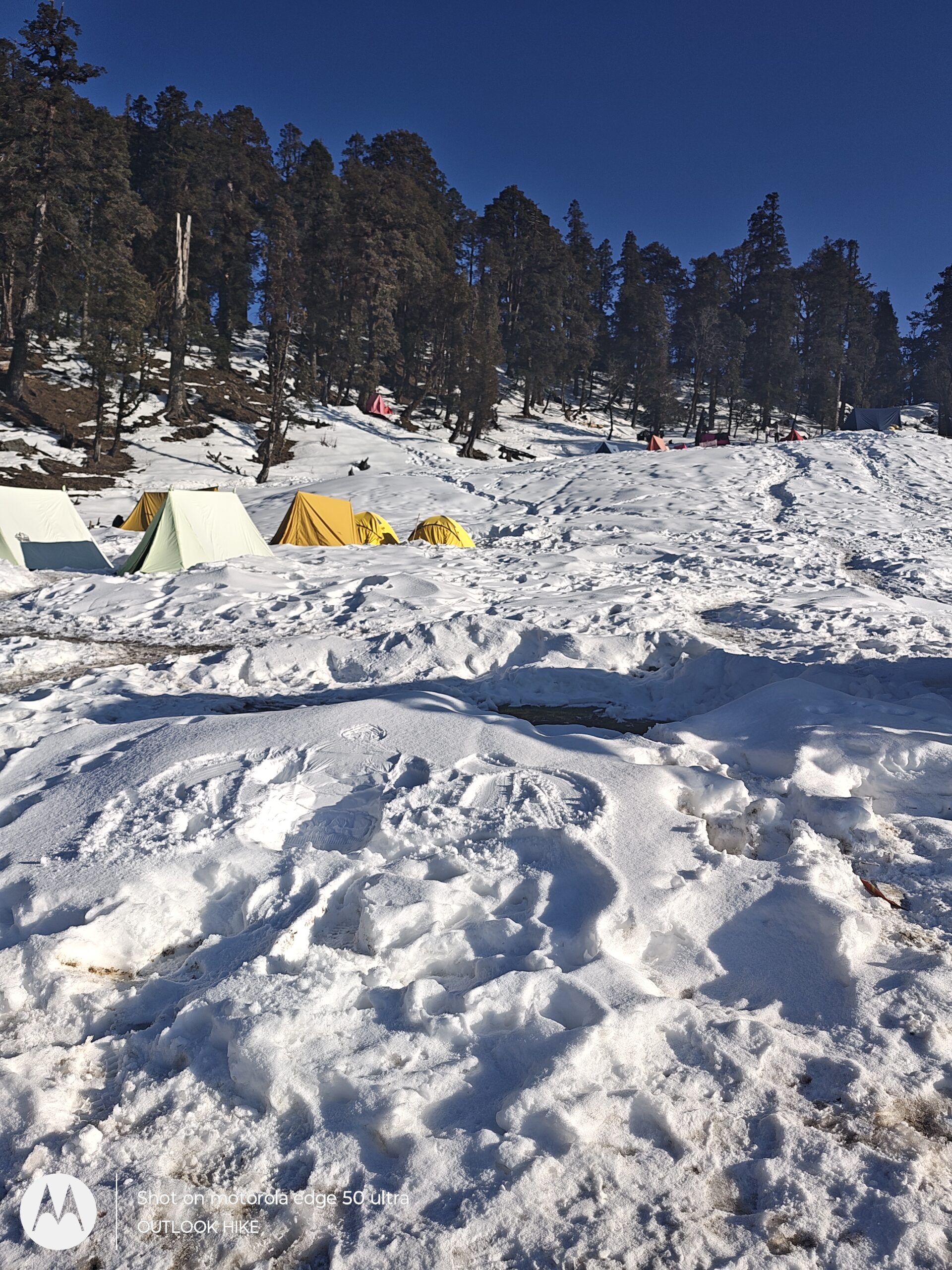
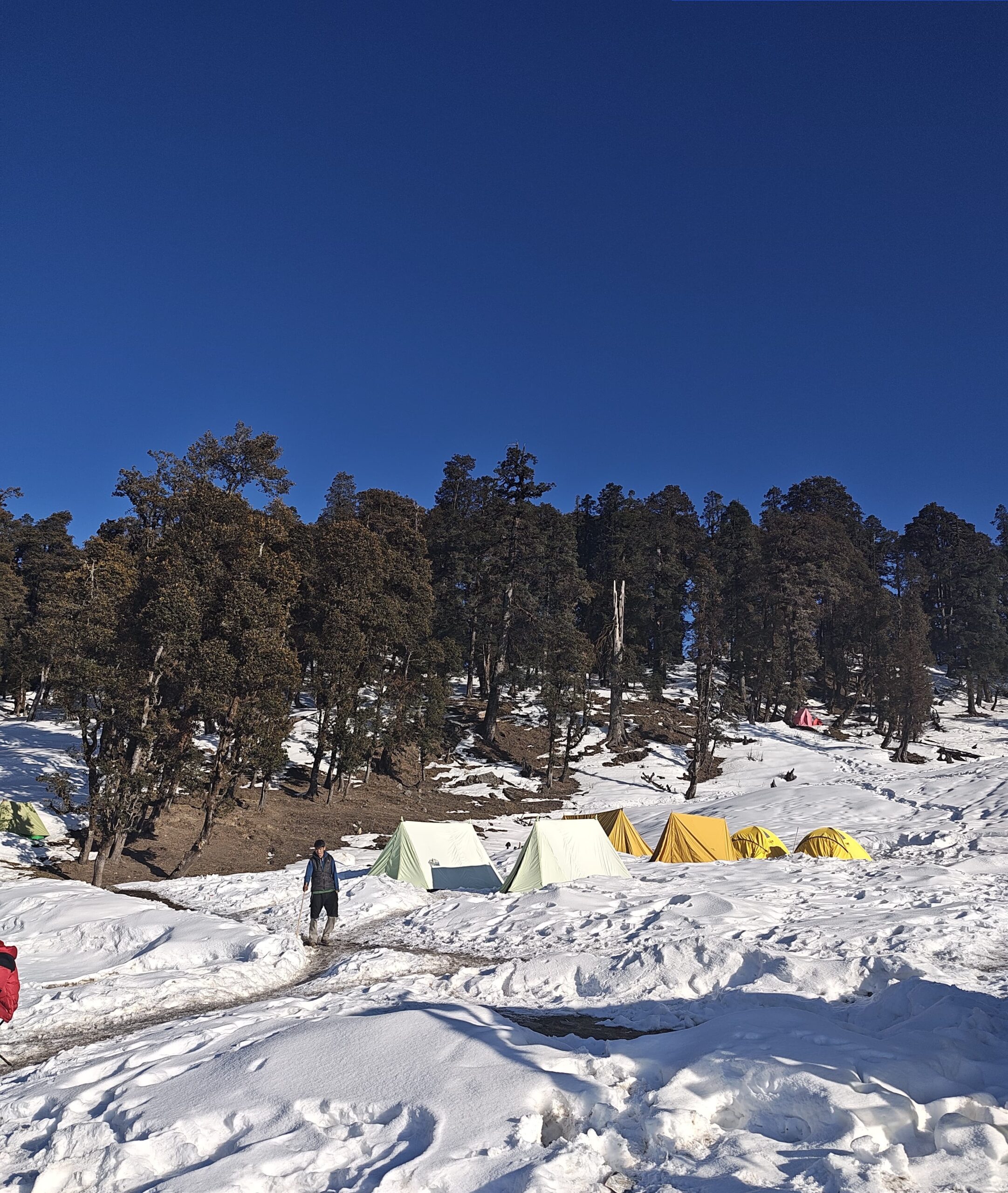
PANCH KEDAR PHOTOS

Read More About Panch Kedar
Best Time To Visit Panch Kedar Trek
“Discover the best time to visit Kedarkantha Trek for snow-covered trails, clear skies & breathtaking views. Ideal months: December to April. Plan your perfect Himalayan adventure now!”
Best Time To Visit Panch Kedar Trek
“Discover the best time to visit Kedarkantha Trek for snow-covered trails, clear skies & breathtaking views. Ideal months: December to April. Plan your perfect Himalayan adventure now!”
Best Time To Visit Panch Kedar Trek
“Discover the best time to visit Kedarkantha Trek for snow-covered trails, clear skies & breathtaking views. Ideal months: December to April. Plan your perfect Himalayan adventure now!”
RELATED TREKS


